When it comes to choosing an email marketing platform, one of the most common debates is ConvertKit vs ActiveCampaign. Both tools are excellent, but they serve different audiences. ConvertKit is designed with creators, bloggers, and educators in mind, focusing on simplicity and audience growth. ActiveCampaign, by contrast, is a feature-rich marketing automation solution for businesses that need advanced workflows, CRM, and detailed analytics.
So which platform is the right fit for you in 2025? Let’s dive into the full ConvertKit vs ActiveCampaign comparison and see how they stack up.
Table of Contents
ConvertKit vs ActiveCampaign: Which Is Easier to Use?
ConvertKit is built for simplicity. Its interface is clean, with straightforward menus for subscribers, broadcasts, and automations. Beginners will find it intuitive, and the platform’s learning curve is minimal.
ActiveCampaign offers much more power, but this comes with complexity. The dashboard includes campaigns, automations, deals (CRM), and reports. While the visual automation builder is excellent, the overall system takes time to master.
Verdict: Choose ConvertKit if you want quick setup and ease of use. Pick ActiveCampaign if you’re comfortable with a learning curve in exchange for advanced control.
ConvertKit vs ActiveCampaign: Templates and Design Compared
ConvertKit favors minimalism. Most templates are text-based, designed to feel personal—almost like writing a regular email to a friend. This approach works well for creators who want to build trust and keep things simple.
ActiveCampaign, on the other hand, includes a drag-and-drop editor and a wide selection of customizable templates. If you want brand-heavy campaigns with visuals, product grids, or custom designs, ActiveCampaign is the stronger option.
Verdict: ConvertKit for creators who love simple newsletters. ActiveCampaign for businesses that need branded, design-rich campaigns.
ConvertKit vs ActiveCampaign: Automation and Workflows Face-Off
This is where the differences really show. ConvertKit’s automation is tag-based. It lets you create sequences triggered by actions such as signing up, purchasing a course, or clicking a link. It’s effective but straightforward.
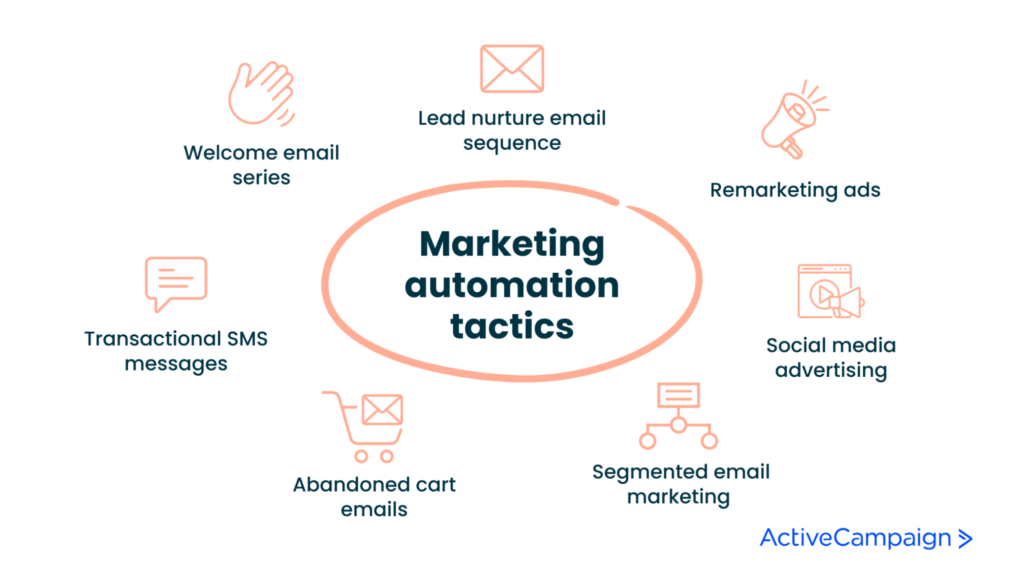
ActiveCampaign is known for having one of the most advanced automation systems on the market. The visual builder allows you to map entire customer journeys, from abandoned cart recovery to multi-step sales funnels. Advanced features like lead scoring and predictive sending make it ideal for scaling businesses.
Verdict: ConvertKit offers simple automation for creators. ActiveCampaign dominates when it comes to complex workflows.
c: CRM and Contact Management Differences
ConvertKit organizes subscribers with tags and segments but does not include a full CRM. For creators, this lightweight system works fine.
ActiveCampaign includes a built-in CRM that integrates directly with email automation. Features like pipeline management, lead scoring, and automated deal tracking make it much more powerful for sales teams and e-commerce stores.
Verdict: ConvertKit if you don’t need CRM. ActiveCampaign if managing leads and sales pipelines is part of your business.
ConvertKit vs ActiveCampaign: Segmentation & Personalization Showdown
ConvertKit’s segmentation relies on tags and custom fields. You can group subscribers based on behavior, purchases, or sign-up forms. It’s flexible and easy to use.
ActiveCampaign goes further. With advanced segmentation, predictive sending, and conditional content, you can deliver highly personalized experiences. For example, different offers can appear in the same email depending on a subscriber’s purchase history.
ConvertKit vs ActiveCampaign: Deliverability Performance Compared
Both ConvertKit and ActiveCampaign perform well when it comes to inbox placement. Text-based ConvertKit emails often land easily in primary inboxes, while ActiveCampaign’s infrastructure consistently ranks among the best in independent deliverability tests.
Verdict: It’s nearly a tie. ConvertKit is great for simple messages, but ActiveCampaign has a slight edge for high-volume campaigns.
ConvertKit vs ActiveCampaign: Pricing Plans Explained
Pricing is often the deciding factor in the ConvertKit vs ActiveCampaign debate.
ConvertKit Pricing (2025):
Free: Up to 1,000 subscribers.
Creator: From $15/month with automation.
Creator Pro: From $29/month with advanced features.
ActiveCampaign Pricing (2025):
Lite: From $29/month.
Plus: From $49/month (adds CRM).
Professional: From $149/month (predictive sending + advanced reporting).
Enterprise: Custom pricing.
Verdict: ConvertKit is more affordable for creators with small lists. ActiveCampaign costs more but includes CRM and advanced automation.
ConvertKit vs ActiveCampaign: Customer Support & Resources
ConvertKit provides email and chat support, plus a strong creator community and live training sessions.
ActiveCampaign offers more extensive support options, including email, chat, and phone (for higher tiers). Its knowledge base and webinars are excellent, though onboarding can be heavier for new users.
Verdict: ConvertKit is supportive for creators. ActiveCampaign provides enterprise-level help for bigger teams.
Best Use Cases – Who Should Use Which?
ConvertKit is best for: bloggers, podcasters, YouTubers, educators, and creators selling courses or memberships.
ActiveCampaign is best for: small to medium businesses, e-commerce stores, and sales-driven teams that need CRM and automation power.
Conclusion – ConvertKit vs ActiveCampaign: Final Verdict
So, who wins in ConvertKit vs ActiveCampaign? The answer depends on your needs.
Choose ConvertKit if you’re a creator who wants simplicity, affordability, and a tool built for audience growth.
Choose ActiveCampaign if you’re a business that needs advanced automation, CRM, and detailed reporting.
Both platforms excel, but they’re designed for different types of users. If your goal is content-driven growth, ConvertKit is the smarter choice. If you want advanced sales and marketing automation, ActiveCampaign is worth the higher investment in 2025..

Verdict: Choose ConvertKit if you want quick setup and ease of use. Pick ActiveCampaign if you’re comfortable with a learning curve in exchange for advanced control.