Choosing between Shopify vs BigCommerce is one of the most important decisions for anyone starting or scaling an online store in 2025. Both platforms are powerful, trusted, and packed with features — but they serve different types of businesses and priorities.
Whether you’re a beginner launching your first store or an established brand looking to scale, this Shopify vs BigCommerce comparison will help you understand pricing, features, performance, SEO, scalability, and overall value — so you can make the right decision.
Table of Contents
What Makes Shopify and BigCommerce Popular in 2025?
Both Shopify and BigCommerce continue to dominate the eCommerce space because they offer:
- Hosted infrastructure
- Fast setup
- High-level security
- Multi-channel selling
- Modern checkout experience
- Excellent scalability
But the way they deliver these benefits differs.
👉 Shopify focuses on simplicity and app-based customization.
👉 BigCommerce focuses on built-in features and enterprise-level scalability.
Shopify Overview
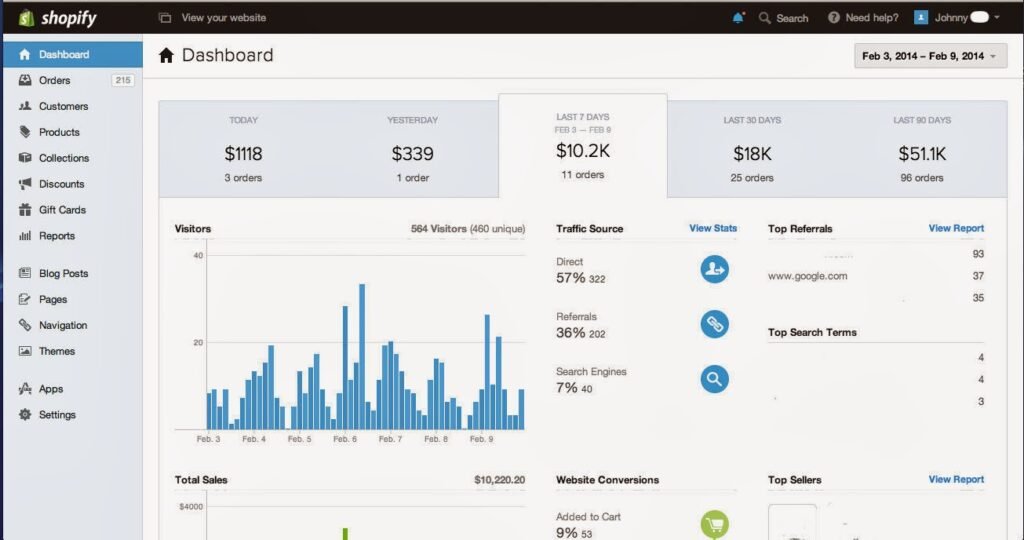
Shopify is known for being extremely beginner-friendly. Anyone can build a professional online store quickly without coding or technical knowledge. Shopify also supports thousands of apps, making it highly flexible.
Best for: small businesses, creators, dropshippers, DTC brands, and anyone who wants a fast, easy setup.
BigCommerce Overview
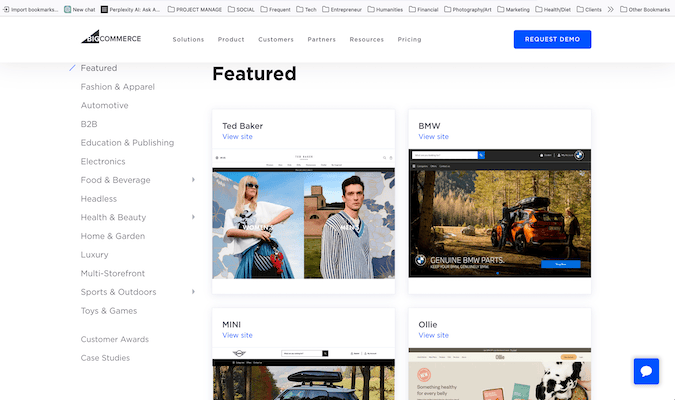
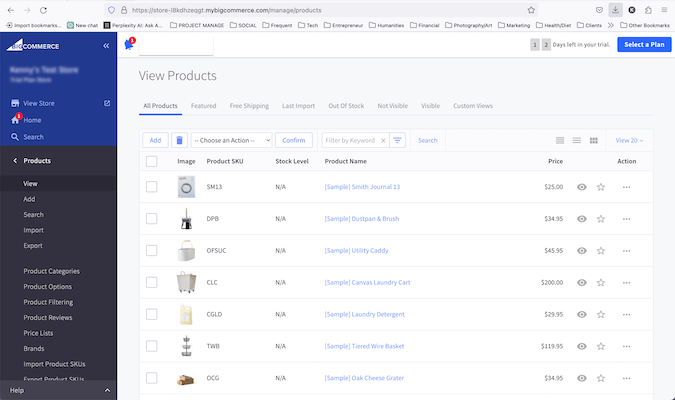
BigCommerce offers more built-in eCommerce functionality, especially for scaling businesses, wholesale operations, and multi-store setups. Instead of relying heavily on apps, BigCommerce includes many features by default.
Best for: mid-size stores, large eCommerce brands, B2B business models, and high-volume retailers.
Shopify vs BigCommerce: Feature-by-Feature Breakdown
1️⃣ Ease of Use
- Shopify: Simple onboarding, intuitive builder, no technical setup required.
- BigCommerce: Clear dashboard, but more advanced features may feel overwhelming.
Winner: Shopify for beginners — BigCommerce for advanced needs.
2️⃣ Themes and Customization
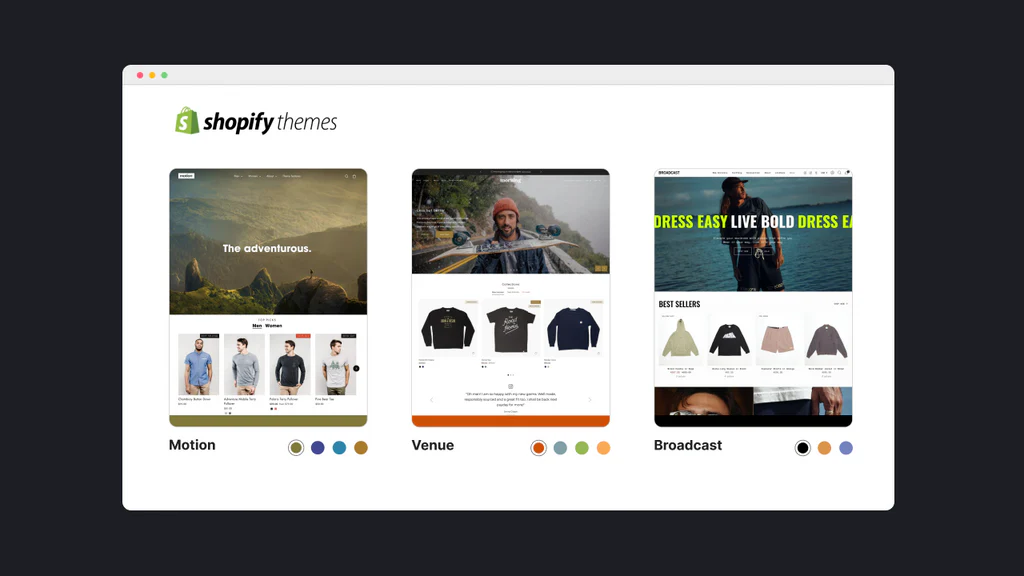
- Shopify: 100+ high-quality themes (paid & free). Easy customization using Shopify’s editor or custom Liquid coding.
- BigCommerce: Fewer theme options but offers deeper customization for developers.
Winner: Tie — Shopify wins for simplicity, BigCommerce for flexibility.
3️⃣ Built-In Features
This is one of the biggest differences.
| Feature | Shopify | BigCommerce |
|---|---|---|
| Multi-currency | App-based | Built-in |
| Customer groups | App-based | Built-in |
| Advanced discounts | Limited | Built-in |
| SEO controls | Strong | Strong |
| B2B tools | Add-ons | Built-in (B2B Suite) |
Winner: BigCommerce (more features included without apps).
4️⃣ SEO Performance
Both platforms are SEO-friendly, but there are key differences:
- Shopify: Excellent performance and fast hosting, but URL structure limitations remain (e.g.,
/collections/and/products/). - BigCommerce: More flexibility with URLs and metadata, plus powerful built-in SEO tools.
Winner: BigCommerce for advanced SEO — Shopify for plug-and-play SEO.
5️⃣ Payment Processing & Fees
- Shopify: Supports many gateways but charges extra fees unless using Shopify Payments.
- BigCommerce: No additional transaction fees regardless of provider.
Winner: BigCommerce, especially for high-volume stores.
6️⃣ Performance & Scalability
Both platforms offer:
- PCI compliance
- Unlimited bandwidth
- CDN support
- Automatic updates
But BigCommerce is often preferred by enterprise businesses because of its API-first architecture and headless commerce support.
Winner: BigCommerce for scaling brands — Shopify for simplicity.
7️⃣ Pricing Comparison
| Plan | Shopify Monthly Price | BigCommerce Monthly Price |
|---|---|---|
| Entry level | €29 | €29 |
| Mid-tier | €79 | €79 |
| Advanced | €299 | €299 |
| Enterprise | Custom | Custom |
⚠️ Important difference:
BigCommerce auto-upgrades plans when your sales volume increases, while Shopify does not — but Shopify may charge additional transaction fees.
Shopify vs BigCommerce: Pros & Cons
Shopify Pros
✔ Easy to use
✔ Best for beginners & dropshipping
✔ Large app ecosystem
✔ Stunning theme selection
✔ Reliable support
Shopify Cons
❌ Transaction fees (unless using Shopify Payments)
❌ Requires apps for many advanced features
❌ Limited URL structure control
BigCommerce Pros
✔ No transaction fees
✔ Better built-in features
✔ Strong B2B tools
✔ More flexible SEO
✔ Great for scaling and enterprise
BigCommerce Cons
❌ Slightly steeper learning curve
❌ Fewer themes
❌ Forced plan upgrades based on revenue
Which Platform Should You Choose in 2025?
The Shopify vs BigCommerce debate doesn’t have a universal winner — the best choice depends on your goals.
Choose Shopify if you want:
- A beginner-friendly platform
- Easy app integration
- Fast store setup
- Dropshipping or POD capabilities
- A simple learning experience
Choose BigCommerce if you want:
- Advanced eCommerce features included
- Lower long-term cost for high sales volumes
- Stronger B2B selling tools
- Better SEO flexibility
- Enterprise-grade scalability
Final Verdict: Shopify vs BigCommerce 2025
Both platforms are excellent, but they are designed for different business stages.
👉 Shopify is the best choice for beginners and fast-growing DTC brands.
👉 BigCommerce is the stronger choice for scaling companies and advanced eCommerce operations.
Either way, both platforms offer reliability, growth potential, and strong eCommerce foundations — making them top choices in today’s marketplace.