
ActiveCampaign vs HubSpot Review 2025
If you’re deciding between two of the most talked-about marketing platforms, this ActiveCampaign vs HubSpot Review 2025 gives you a clear, practical answer. Both offer email marketing, automation, and CRM, but they’re built for different needs and budgets. Below, we compare ease of use, automation depth, CRM power, integrations, pricing, and best use cases so you can choose with confidence.
Table of Contents
ActiveCampaign vs HubSpot Review 2025 – What Each Platform Is Best At
ActiveCampaign is a marketing automation powerhouse with advanced email workflows, tagging/segmentation, and a built-in lightweight CRM. It’s ideal for small to mid-size teams that want precision marketing without enterprise costs.
HubSpot is a full all-in-one growth platform: CRM + Marketing + Sales + Service + CMS. Think centralized data, robust reporting, and cross-department automation. It shines for teams that want one system to run marketing and sales at scale.
ActiveCampaign vs HubSpot Review 2025 – Ease of Use & Setup
- HubSpot: Intuitive onboarding, polished UI, and templates that help beginners move fast. Navigation is consistent across Hubs (Marketing, Sales, Service), so multi-team adoption is easier.
- ActiveCampaign: Clean interface but more knobs and dials. The visual automation builder is brilliant, yet first-time users may need a bit of ramp-up. Power users love the control.
Verdict: If you need the smoothest start and cross-team adoption, HubSpot edges out. If you’ll invest a little time to gain deeper workflow control, ActiveCampaign rewards you.
ActiveCampaign vs HubSpot Review 2025 – Automation & Workflows
ActiveCampaign strengths:
- Visual builder with granular logic (tags, goals, split paths)
- Sophisticated behavior-based triggers (site visits, actions, purchases)
- Email-first precision for nurturing, upsell, and re-engagement
HubSpot strengths:
- Automation across marketing + CRM + sales + service
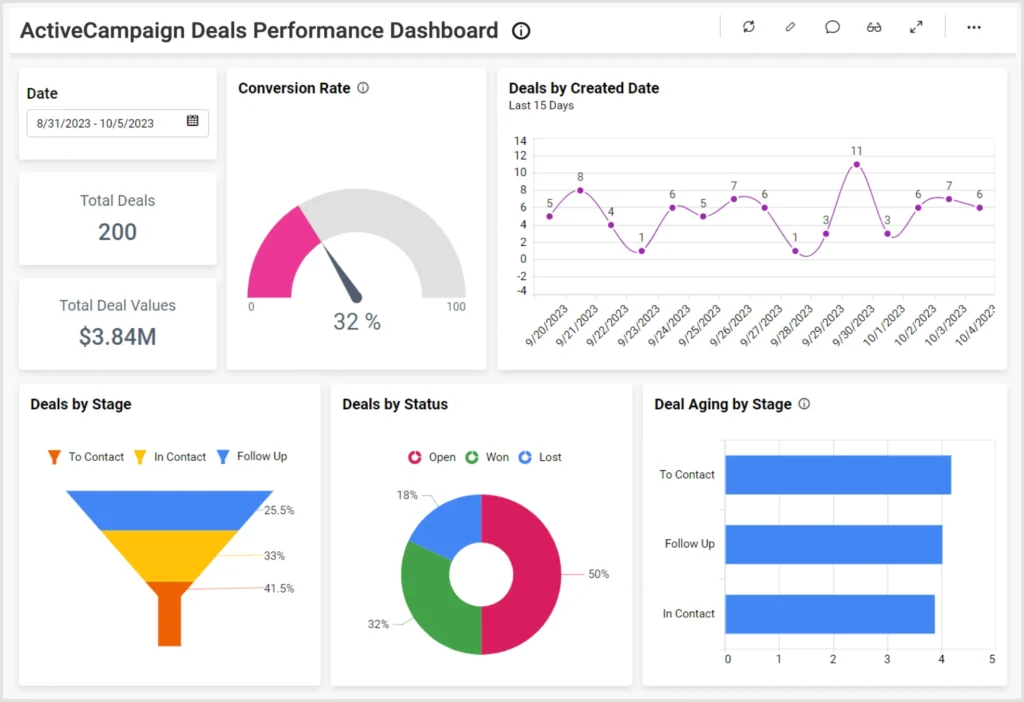
- Deal-stage triggers, lead rotation, SLAs, and ticketing automations
- Revenue attribution and journey analytics baked into workflows
Verdict: For pure email automation depth, ActiveCampaign excels. For company-wide automation that spans sales and support, HubSpot wins.
ActiveCampaign vs HubSpot Review 2025 – CRM & Contact Management
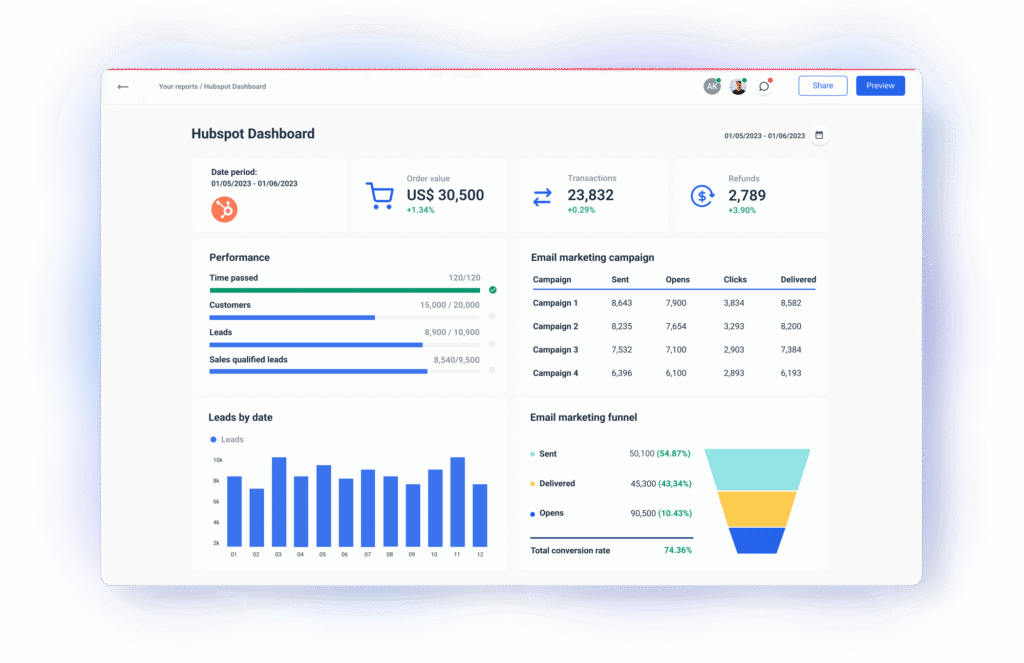
- HubSpot CRM: Enterprise-grade. Pipelines, custom objects, quotes, forecasting, playbooks, conversation inbox, and granular permissions.
- ActiveCampaign CRM: Capable for small sales teams (deals, pipelines, tasking), closely tied to marketing automation. Great for lean teams, but not as extensive as HubSpot.
Verdict: If CRM is central to your decision, HubSpot is the safer long-term bet.
ActiveCampaign vs HubSpot Review 2025 – Segmentation, Personalization & Deliverability
- ActiveCampaign: Tagging + advanced segments + conditional content deliver highly personalized messages; known for strong deliverability with text-lean, conversion-focused emails.
- HubSpot: Deep segmentation from CRM data (lifecycle stage, deals, tickets). Dynamic content extends beyond email (pages, chat, forms).
Verdict: ActiveCampaign for email-centric personalization; HubSpot for holistic, CRM-driven personalization across channels.
ActiveCampaign vs HubSpot Review 2025 – Integrations & Ecosystem
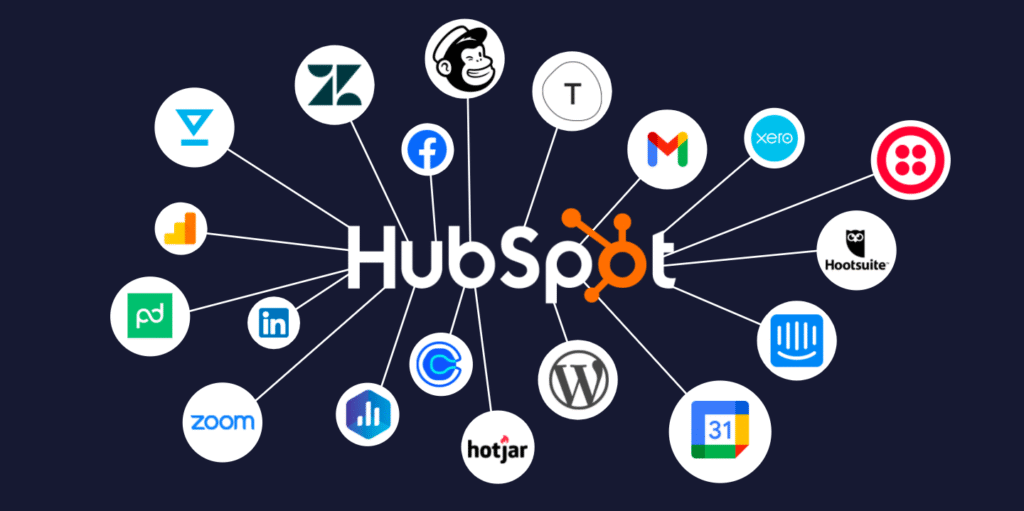
- HubSpot: 1,000+ native integrations plus its own CMS, live chat, and service tools. Ideal as a single pane of glass for go-to-market teams.
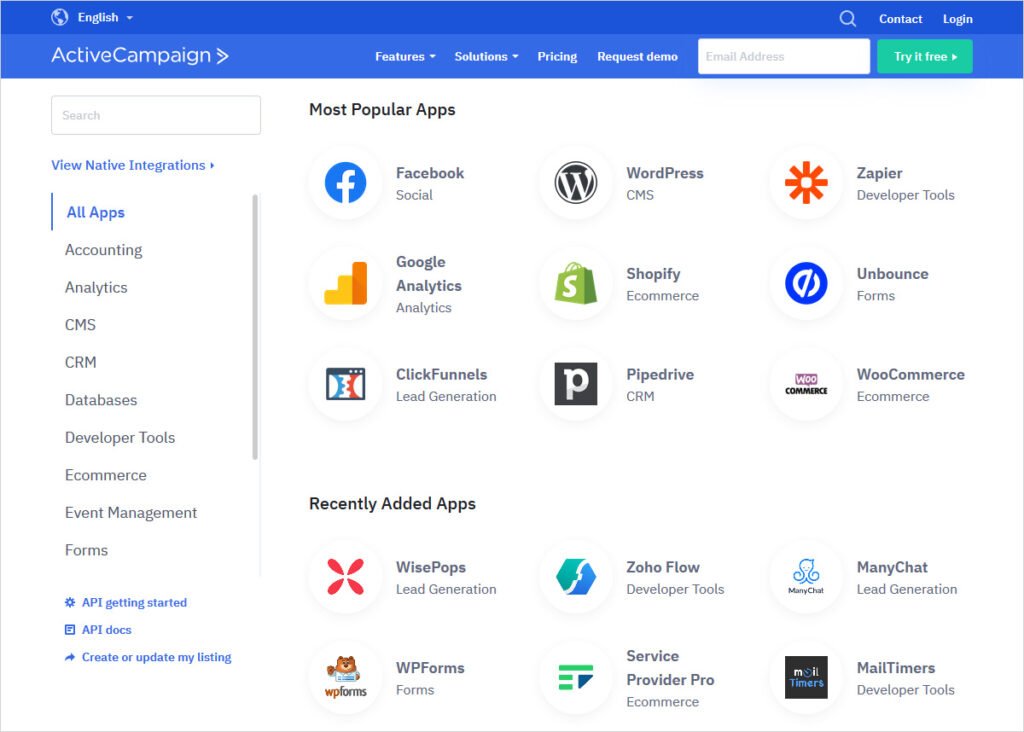
- ActiveCampaign: Integrates with Shopify, WooCommerce, Stripe, Facebook/Google Ads, Zapier, and more. The ecosystem is broad, but HubSpot’s is broader.
Verdict: If you want one vendor for multiple functions, HubSpot wins. If you already have a stack and need excellent marketing automation in the middle, ActiveCampaign fits neatly.
ActiveCampaign vs HubSpot Review 2025 – Pricing & Value
ActiveCampaign (typical starting points):
- Lite/Starter tiers for advanced email automation at budget-friendly prices
- Pricing scales by contacts; strong value for SMBs and creators
HubSpot (typical structure):
- Free CRM to start; Starter hubs are accessible
- Professional/Enterprise unlock advanced automation, reporting, permissions
- Costs can rise quickly as contact counts and features expand
Verdict: If you want maximum automation per dollar, ActiveCampaign usually costs less. If you want consolidated tools and enterprise-grade CRM/reporting in one system, HubSpot can replace multiple subscriptions—and the cost may be justified.
Pros & Cons at a Glance (ActiveCampaign vs HubSpot Review 2025)
ActiveCampaign – Pros
- Best-in-class email automation and segmentation
- Strong deliverability; conversion-focused editor
- Affordable for small and mid-size lists
ActiveCampaign – Cons
- CRM is good but not enterprise-level
- Reporting is solid, but less expansive than HubSpot
HubSpot – Pros
- True all-in-one platform with leading CRM
- Cross-team automation and robust analytics
- Scales with Sales, Service, and CMS
HubSpot – Cons
- Higher cost at Professional/Enterprise tiers
- More configuration work for complex setups
ActiveCampaign vs HubSpot Review 2025 – Best Use Cases
- Choose ActiveCampaign if you:
- Run a small or mid-sized business focused on email-driven growth
- Want advanced automations without enterprise pricing
- Need a simple CRM tightly linked to marketing
- Choose HubSpot if you:
- Need a unified system for marketing and sales/service
- Want advanced reporting, permissions, and governance
- Plan to scale headcount, SKUs, or regions
Final Verdict – ActiveCampaign vs HubSpot Review 2025
Both platforms are excellent; your context decides the winner.
If your priority is elite email automation at a fair price, ActiveCampaign is hard to beat. If you need a single, scalable GTM platform with a best-in-class CRM, HubSpot delivers the bigger long-term upside.
Quick Recommendation:
- Solo creators & SMBs → ActiveCampaign
- Sales-led organizations & scaling teams → HubSpot
Implementation Tips (Optional Section)
- Start with a 14–30 day trial and replicate one core automation in both tools (welcome + nurture).
- Map your CRM needs before choosing: pipelines, permissions, forecasting.
- Calculate TCO (total cost of ownership): add seats, contacts, add-ons, and time to manage.