
Why Compare Mailchimp vs ConvertKit?
When it comes to email marketing, the debate of Mailchimp vs ConvertKit is one of the most common. Both platforms help creators, small businesses, and e-commerce stores grow audiences, nurture leads, and drive conversions. However, they approach email marketing differently. Mailchimp is known for being feature-rich, offering a wide range of tools from email campaigns to social media ads. ConvertKit, on the other hand, is built specifically for creators and bloggers, with a strong focus on simplicity and automation. If you’re trying to decide between Mailchimp and ConvertKit in 2025, this guide will break down their similarities, differences, and which platform may be best for you.
Table of Contents
Quick Comparison Table (Side-by-Side Snapshot)
| Feature | Mailchimp | ConvertKit |
|---|---|---|
| Free Plan | Up to 500 subscribers | Up to 1,000 subscribers |
| Ease of Use | Feature-rich but complex | Simple and creator-focused |
| Templates | Hundreds of pre-made designs | Limited templates, mostly plain text |
| Automation | Advanced workflows and journeys | Streamlined automations for creators |
| Landing Pages | Included | Included |
| Pricing | Starts at $11.14/month | Starts at $33/month |
| Best For | Businesses, e-commerce, agencies | Bloggers, creators, online educators |
This snapshot gives you a quick glance at the Mailchimp vs ConvertKit comparison before diving deeper.
Key Similarities Between Mailchimp and ConvertKit
Despite their differences, Mailchimp and ConvertKit share some important similarities. Both platforms allow you to:
- Build email lists with forms and landing pages.
- Send automated campaigns like welcome emails or drip sequences.
- Segment audiences to send targeted content.
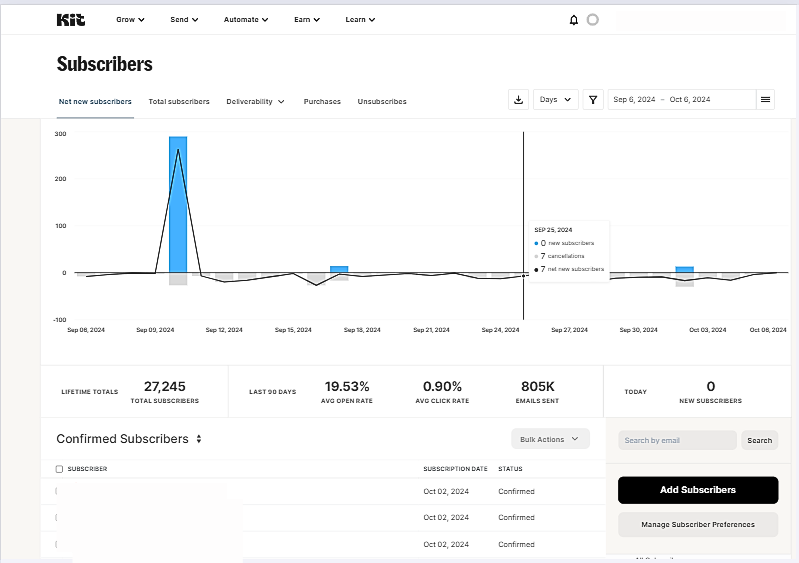
- Track performance with analytics dashboards.
- Integrate with popular tools like Shopify, WordPress, and Zapier.
In short, whether you choose Mailchimp or ConvertKit, you’ll get the essential features needed for modern email marketing.
Major Differences Between Mailchimp and ConvertKit
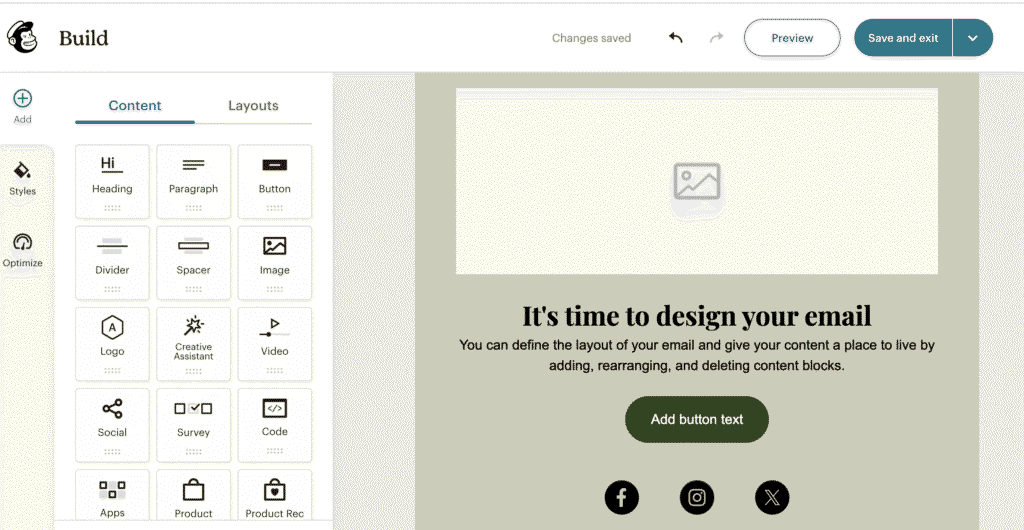
The main differences in Mailchimp vs ConvertKit come down to focus and complexity. Mailchimp is designed as an all-in-one marketing platform, offering not just email, but also ads, websites, and social media scheduling. This makes it powerful but sometimes overwhelming. ConvertKit, by contrast, focuses solely on email marketing for creators. It’s more minimalistic, with fewer design options but a cleaner, more intuitive automation system.
Another difference is templates: Mailchimp offers hundreds of pre-designed layouts, while ConvertKit favors plain text, arguing that simpler emails perform better. Pricing also differs: Mailchimp can get expensive as lists grow, while ConvertKit offers more predictable pricing for creators.
Pros of Choosing Mailchimp
- Feature-rich: Beyond email, Mailchimp includes websites, ads, and multichannel marketing.
- Large template library: Great for businesses that want polished designs.
- Advanced automations: Sophisticated customer journeys and segmentation.
- Strong analytics: Comprehensive reporting and A/B testing.
- Brand trust: Mailchimp is one of the oldest and most recognized names in email marketing.
Mailchimp is ideal for businesses that need more than just email and want a complete marketing platform.
Pros of Choosing ConvertKit
- Built for creators: Focused on bloggers, podcasters, coaches, and online educators.
- Ease of use: Simple, clean, and quick to set up.
- Powerful automations: Visual automation builder tailored for creators.
- Tag-based system: Flexible subscriber management that avoids list duplication.
- Generous free plan: Supports up to 1,000 subscribers.
ConvertKit is perfect if your main focus is building relationships with your audience and selling digital products or content.

Cons & Limitations of Both
Mailchimp cons:
- Can be expensive as subscriber numbers grow.
- Interface feels cluttered for beginners.
- Some features only available on higher tiers.
ConvertKit cons:
- Limited email design options compared to Mailchimp.
- Less suitable for large e-commerce businesses.
- Fewer integrations than Mailchimp.
Both platforms have trade-offs, so the Mailchimp vs ConvertKit decision depends on which limitations affect your business less.
Value for Money: Which Tool Wins?
When it comes to Mailchimp vs ConvertKit pricing, it’s not just about monthly costs but also long-term value.
Mailchimp starts cheaper at lower tiers, but prices rise quickly as lists grow, especially for businesses that need advanced features. ConvertKit’s pricing is slightly higher upfront but scales more predictably, especially for creators who sell digital products or memberships.
For small e-commerce businesses, Mailchimp may offer better value with its broader marketing tools. For creators and content-driven businesses, ConvertKit often delivers a better return on investment by focusing on simplicity and automation.
Who Each Platform is Best For
- Mailchimp is best for: Small to medium businesses, e-commerce brands, and marketing teams that want an all-in-one platform with advanced analytics and multi-channel marketing.
- ConvertKit is best for: Creators, bloggers, online educators, and coaches who prioritize simple automations and audience engagement over design-heavy campaigns.
This breakdown makes the Mailchimp vs ConvertKit choice easier based on your business type.
Mailchimp vs ConvertKit: Final Thoughts
So, who wins in the Mailchimp vs ConvertKit battle?
- Pick Mailchimp if you need a robust platform with advanced marketing features, detailed analytics, and polished design templates.
- Pick ConvertKit if you’re a creator who values simplicity, automation, and direct audience connection.
Both platforms are excellent in 2025, but the right choice depends on your goals and budget. Ultimately, Mailchimp vs ConvertKit isn’t about which tool is better overall, but which is better for you.



Pingback: How to Create Automated Email Workflows That Convert in 2025 – Full Guide - GESR Reviews