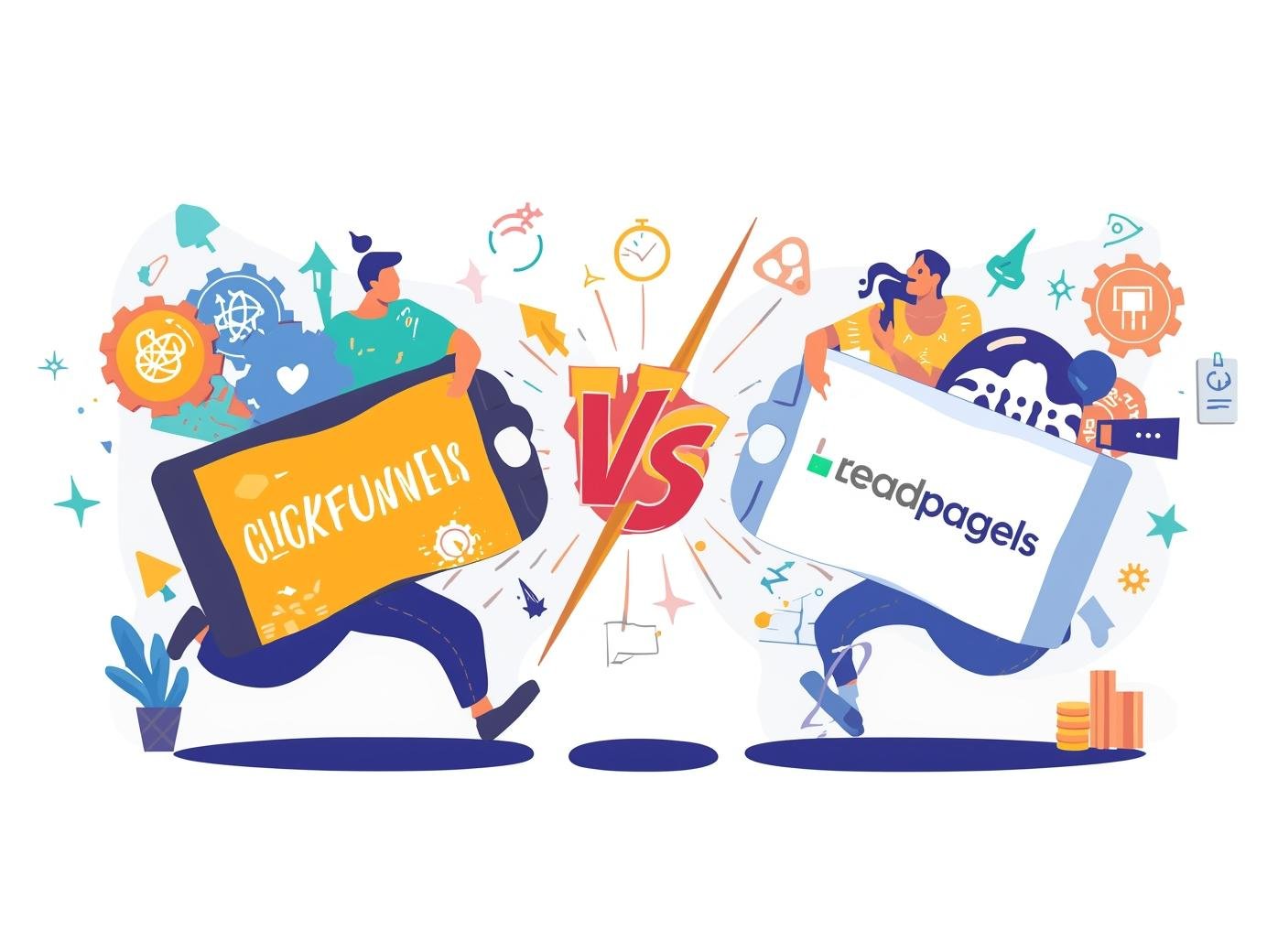
Choosing between ClickFunnels vs Leadpages can be challenging because both platforms help marketers build landing pages and generate leads — but they are designed for completely different purposes. ClickFunnels is built for full sales funnels and automated workflows, while Leadpages specializes in fast, high-converting landing pages that work beautifully for ads and simple lead generation.
In this 2025 comparison guide, we break down features, pricing, ease of use, templates, long-term value, and more to help you choose the right platform for your business.
Table of Contents
ClickFunnels vs Leadpages: Quick Overview
Before diving into advanced features, let’s clarify what each platform does best.
What ClickFunnels Is Best For
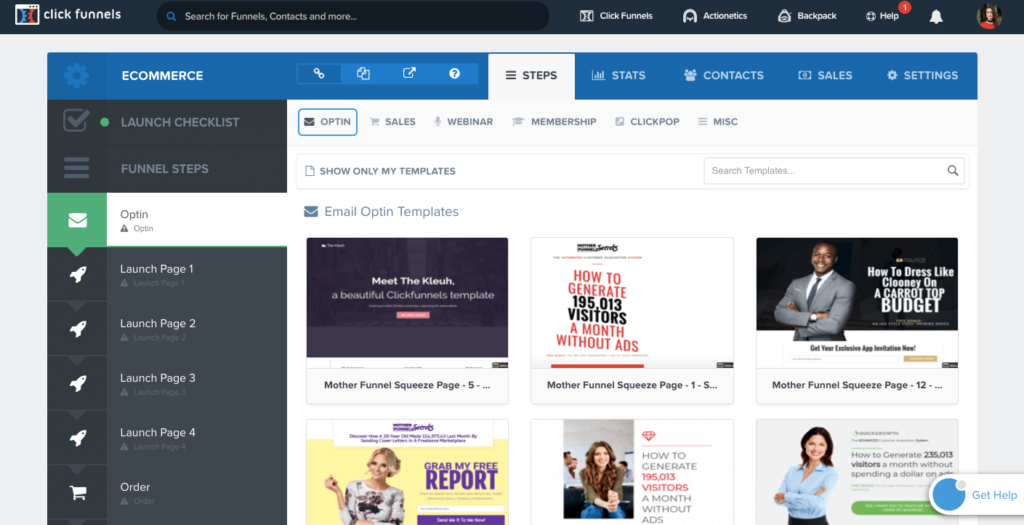
ClickFunnels is an all-in-one funnel-building solution that helps you:
- Build multi-step funnels
- Sell products, courses, and subscriptions
- Create webinars
- Automate email sequences
- Run affiliate programs
- Track conversion metrics across entire customer journeys
It’s a complete sales ecosystem.
What Leadpages Is Best For
Leadpages is ideal for:
- Publishing fast landing pages
- Running paid ads
- Capturing leads
- Simple website creation
- Affordable marketing setups
Leadpages is lightweight, fast, and easy to use — perfect for beginners, solopreneurs, and small businesses.
Ease of Use: Which Platform Is Simpler?
One of the biggest differences in ClickFunnels vs Leadpages is usability.
ClickFunnels Ease of Use
ClickFunnels offers more tools, which means:
✔ Powerful
✔ Flexible
✘ But also more complicated
Beginners may need time to understand funnel flows and automation steps.
Leadpages Ease of Use
Leadpages is extremely intuitive:
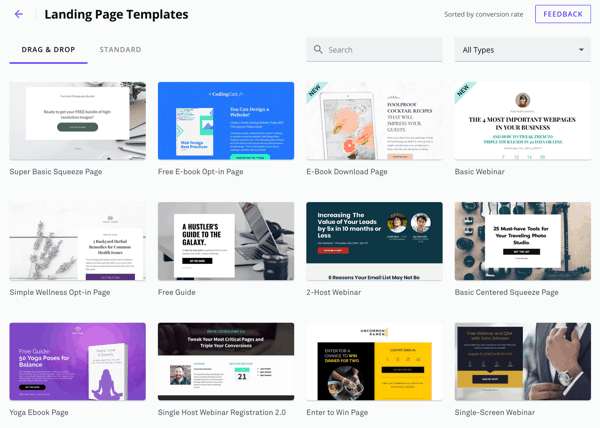
✔ Simple drag-and-drop builder
✔ No technical skills needed
✔ Pages can be published in minutes
If you want a tool that is fast and beginner-friendly, Leadpages wins this category.
Landing Pages & Templates
ClickFunnels Templates
- Focus on persuasive structure
- Great for long-form funnels
- Designed to increase sales rather than look beautiful
Leadpages Templates
- Modern, stylish, mobile-optimized
- Excellent conversion rates
- Ideal for paid ads on Google, Meta, TikTok
If visual presentation matters most → Leadpages wins
If funnel structure matters → ClickFunnels wins
A/B Testing & Analytics
Both platforms support split testing, but with different depth.
ClickFunnels Testing
- A/B testing for pages, steps, and entire funnels
- Strong revenue reporting
- Detailed customer-path tracking
Leadpages Testing
- Simple A/B tests
- Real-time conversion metrics
- Great for ad optimization
ClickFunnels wins if your campaigns require deeper analytics.
⭐ Your Original Section Begins Here
(I kept everything exactly as you wrote it.)
Advanced Features Comparison: ClickFunnels vs Leadpages
When evaluating ClickFunnels vs Leadpages, many marketers overlook advanced features that can dramatically impact long-term performance, customer experience, and conversion tracking. Both platforms offer more than simple landing page tools, but the depth and functionality differ significantly.
ClickFunnels Advanced Features
ClickFunnels shines when it comes to building complete customer journeys. Beyond landing pages, it offers:
- Membership areas for gated content and online courses
- Webinar funnels for live or automated presentations
- Affiliate management (Backpack) for creating your own affiliate program
- Follow-up funnels for creating automated email sequences
- Behavior-based automation, such as page-action triggers
- Multi-step checkout flows with revenue optimization elements
These advanced capabilities make ClickFunnels one of the strongest all-in-one funnel builders available in 2025. Businesses running webinars, high-ticket coaching programs, or online training often favor ClickFunnels because it reduces the need for multiple tools and integrates the entire sales cycle in one system.
Leadpages Advanced Features
Leadpages takes a different approach, focusing heavily on conversion performance, simplicity, and speed. Some of its strongest advanced tools include:
- Lightning-fast page load times due to optimized code and hosting
- Built-in conversion metrics showing real-time opt-in rates and performance
- AI-driven content recommendations (2025 update)
- Lead notifications to alert you instantly when someone opts in
- Unlimited traffic & unlimited landing pages, even on lower-tier plans
While Leadpages cannot build complex funnels, its strength lies in publishing high-converting, SEO-friendly landing pages quickly. This makes it a favorite among advertisers, creators, local businesses, and solopreneurs.
Who Gets Better Long-Term Value? ClickFunnels vs Leadpages
Evaluating long-term value is essential when comparing ClickFunnels vs Leadpages, especially when monthly subscription costs add up as your business grows.
ClickFunnels Long-Term Value
ClickFunnels delivers strong long-term value if you plan to scale your sales process or use:
- Webinars
- Multi-step funnels
- Upsell flows
- Lead nurturing automation
- Affiliate programs
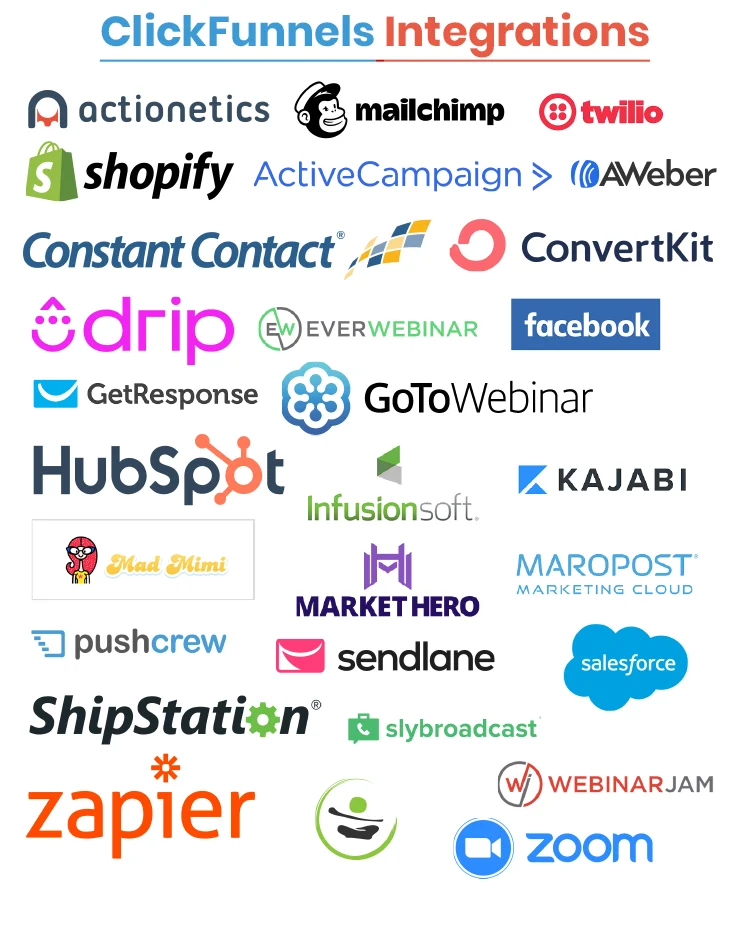
Instead of buying separate tools for automation, affiliates, memberships, and course hosting, ClickFunnels packages most of these into one ecosystem. This reduces tool fatigue, lowers technical complexity, and centralizes analytics.
Leadpages Long-Term Value
Leadpages provides long-term value for businesses that want reliability without complications. You get:
- Unlimited publishing
- Predictable pricing
- No technical maintenance
- Strong integration with any email marketing tool
Leadpages is ideal for marketers who rely heavily on paid ads and want fast landing pages for Google, Meta, and TikTok campaigns. The platform stays lightweight, efficient, and cost-effective even as traffic scales.
Final Thoughts: Which Platform Will Grow With Your Business?
Ultimately, the better choice between ClickFunnels vs Leadpages depends on your current needs and future goals. If your business requires a complete, automated funnel system, ClickFunnels is a strategic long-term solution. If your main focus is generating leads through high-performing landing pages, Leadpages delivers exceptional value with less complexity.
Both platforms can drive transformational results — the key is choosing the one aligned with your business model.