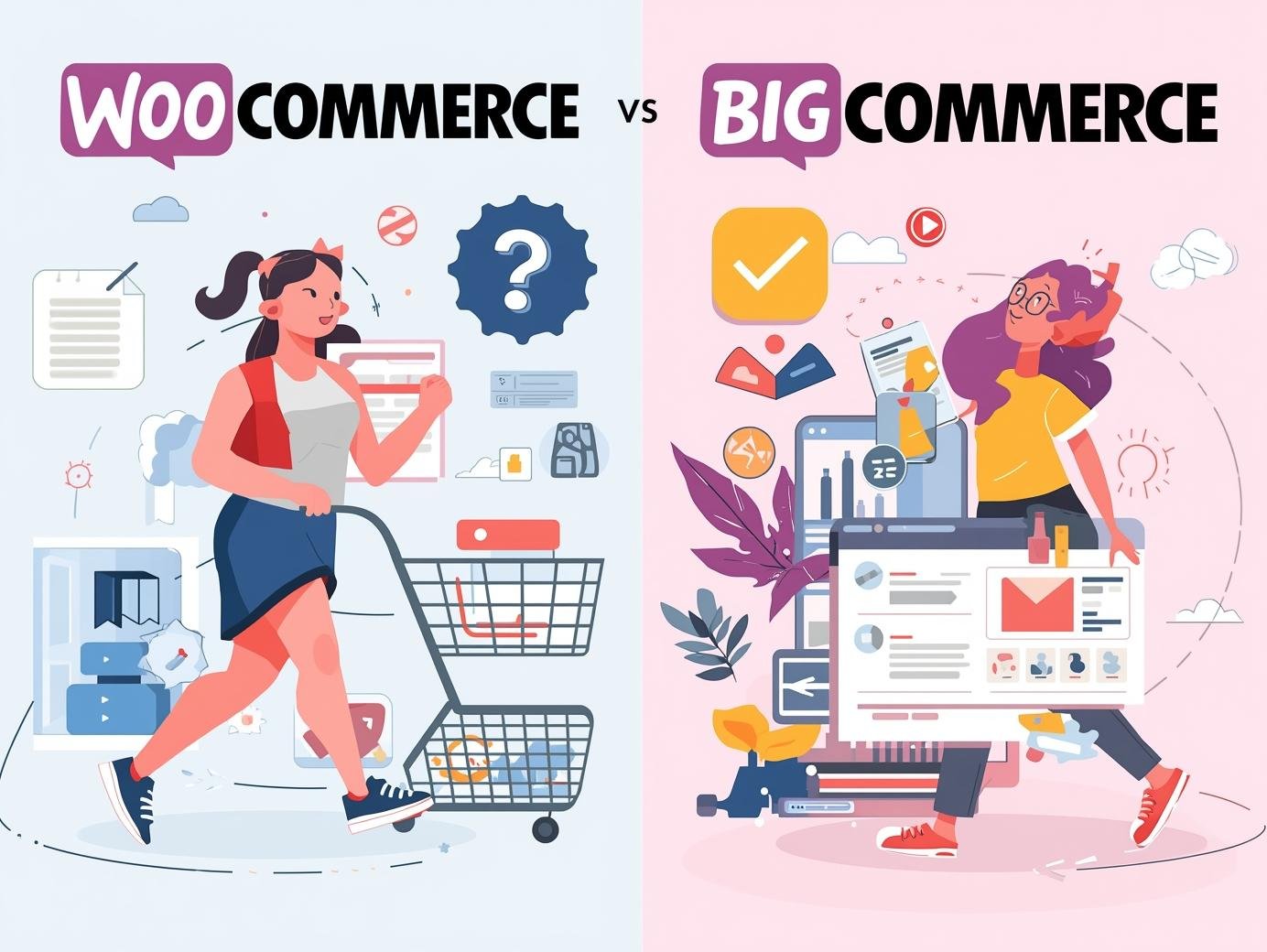
When choosing the right platform for your online store, the WooCommerce vs BigCommerce debate is one of the biggest decisions you’ll face. Both platforms are powerful, trusted, and highly scalable — yet they serve very different business needs.
In this updated BigCommerce vs WooCommerce comparison for 2025, we’ll break down pricing, features, SEO, integrations, performance, and usability so you can confidently choose the best platform for your online business.
Table of Contents
What Makes This WooCommerce vs BigCommerce Comparison Different?
Unlike quick reviews, this guide is based on real use cases and focuses on the most important factors:
- Setup and ease of use
- Cost and scalability
- SEO performance
- Hosting and speed
- Customization and control
- Best-fit business types
By the end, you’ll know exactly which platform aligns with your goals.
WooCommerce Overview
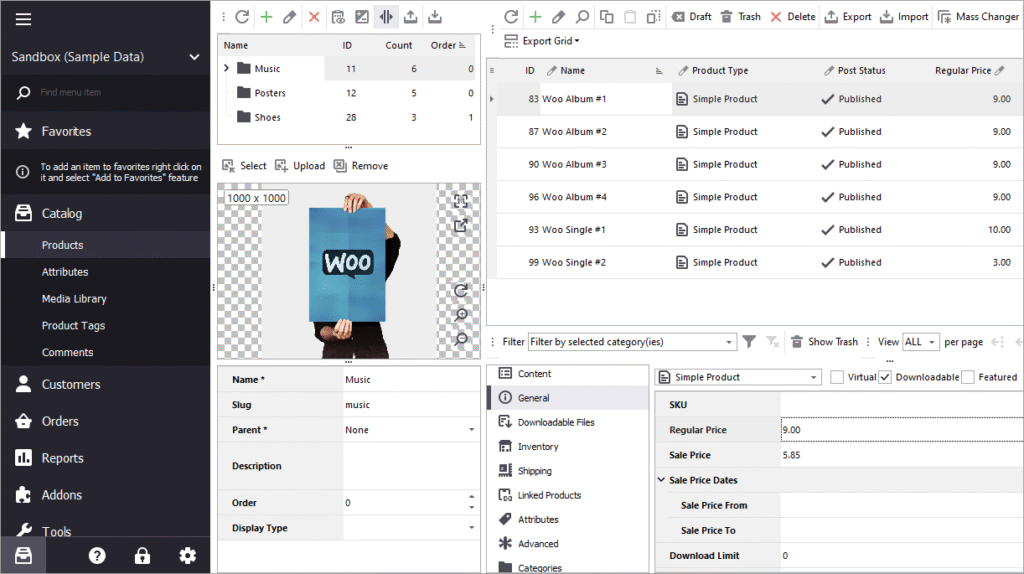
WooCommerce is a free, open-source eCommerce plugin built for WordPress. It turns any WordPress site into a fully customizable online store.
It’s perfect for users who want total control over design, functionality, and content strategy.
Best for: bloggers, content-driven brands, SEO-focused websites, and businesses wanting customization without platform limitations.
BigCommerce Overview
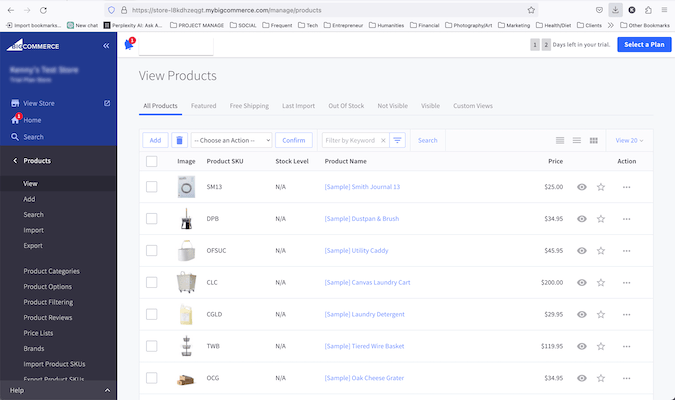
BigCommerce is an all-in-one hosted eCommerce platform designed for fast setup and high scalability. Many mid-size and enterprise-level brands choose BigCommerce because it includes advanced features without relying heavily on plugins.
Best for: growing brands, B2B stores, and multi-channel sellers who value built-in performance and reliability.
WooCommerce vs BigCommerce: Feature Breakdown
1️⃣ Ease of Use
- WooCommerce: Requires hosting setup, WordPress installation, and plugin configuration. Not difficult — but technical.
- BigCommerce: Ready-to-use platform with guided onboarding. Beginners can launch a store faster.
Winner: BigCommerce for beginners — WooCommerce for experienced users.
2️⃣ Customization & Design Flexibility
- WooCommerce: Unlimited customization using themes, page builders (Elementor, Divi), and custom code.
- BigCommerce: Drag-and-drop editor + theme customization, but full changes may require development work.
Winner: WooCommerce offers more creative freedom.
3️⃣ Built-In Features
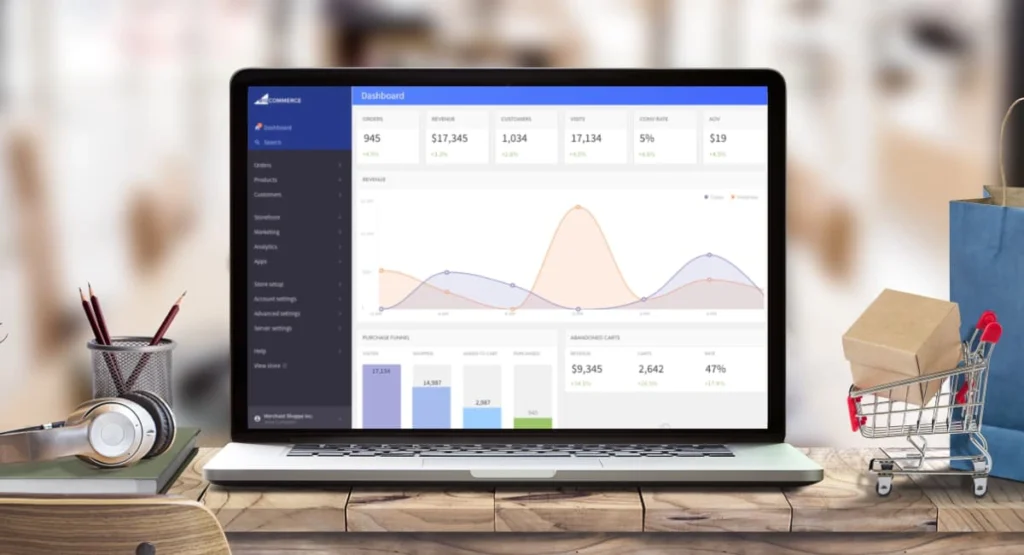
BigCommerce includes advanced eCommerce features out of the box, such as:
- Multi-currency support
- Abandoned cart recovery
- Customer groups and pricing tiers
- Real-time shipping rates
WooCommerce can do all of this — but often requires plugins.
Winner: BigCommerce (less dependency on extensions).
4️⃣ SEO Performance
SEO is one of the biggest deciding factors in the WooCommerce vs BigCommerce debate.
- WooCommerce: Excellent SEO due to WordPress. Ideal for content-driven brands.
- BigCommerce: Strong SEO with clean URL structure, fast performance, and schema options — but less flexible than WordPress.
Winner: WooCommerce for SEO-heavy brands.
5️⃣ Performance & Hosting
- WooCommerce: Performance depends entirely on your hosting provider. You control servers, caching, and CDN.
- BigCommerce: Hosting, CDN, and security are included and optimized automatically.
Winner: BigCommerce for reliability — WooCommerce for advanced control.
6️⃣ Pricing Comparison
| Feature | WooCommerce | BigCommerce |
|---|---|---|
| Software | Free | Paid |
| Hosting | €5–€30/mo | Included |
| Extensions | Optional cost | Fewer add-ons needed |
| Transaction Fees | None | None |
| Scaling Cost | Based on hosting | Automatic plan upgrade by revenue |
BigCommerce may become more expensive as revenue grows, while WooCommerce cost depends on customization and plugins.
Winner: WooCommerce for flexible budgeting — BigCommerce for predictable value.
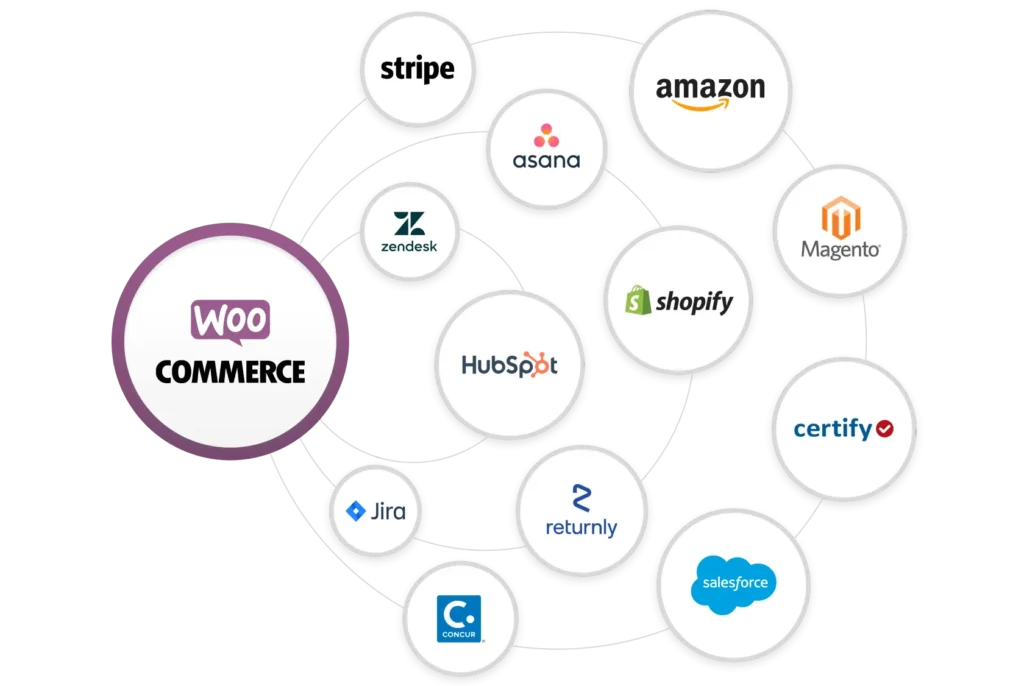
7️⃣ Multi-Channel Selling
Both platforms support:
- Amazon
- eBay
- Facebook Shops
- TikTok
- Instagram Checkout
But BigCommerce has more native integrations, meaning fewer plugins are required.
Winner: BigCommerce.
WooCommerce vs BigCommerce: Pros & Cons
WooCommerce Pros
✔ Fully customizable
✔ Best for SEO
✔ Huge plugin ecosystem
✔ Lower starting cost
✔ Total ownership of data
WooCommerce Cons
❌ Requires setup and maintenance
❌ Can slow down without proper hosting
❌ Support depends on third-parties
BigCommerce Pros
✔ Built-in advanced features
✔ No transaction fees
✔ Strong performance and hosting
✔ Ideal for scaling stores
✔ Better B2B tools
BigCommerce Cons
❌ Plan upgrades tied to annual revenue
❌ Less customization freedom
❌ Fewer themes compared to WooCommerce
Best Use Cases: WooCommerce vs BigCommerce
| Business Type | Best Match |
|---|---|
| Bloggers & SEO websites | WooCommerce |
| Dropshipping | Both (with plugins) |
| Local business | WooCommerce |
| Growing retail stores | BigCommerce |
| Enterprise/B2B | BigCommerce |
| Custom or niche stores | WooCommerce |
Final Verdict: WooCommerce vs BigCommerce — Which Should You Choose?
Both platforms are excellent — but designed for different types of users.
👉 Choose WooCommerce if you want:
- full customization
- strong SEO tools
- a content-driven or niche eCommerce strategy
- low starting costs and ownership of your site
👉 Choose BigCommerce if you want:
- a platform that grows automatically
- built-in enterprise functionality
- seamless multi-channel selling
- faster setup with fewer technical tasks
Bottom line:
There’s no universal winner in the WooCommerce vs BigCommerce debate — the right platform depends on your business model, scale, and technical comfort.