
Choosing between Shopify vs WooCommerce in 2025 is one of the biggest decisions for anyone launching an online store. Both platforms are powerful, widely used, and trusted by millions of businesses — but they offer very different experiences.
In this updated WooCommerce vs Shopify WooCommerce review, we compare everything that matters: features, pricing, SEO, customization, ease of use, performance, security, and scalability. By the end, you’ll know exactly which platform fits your business in 2025.
Table of Contents
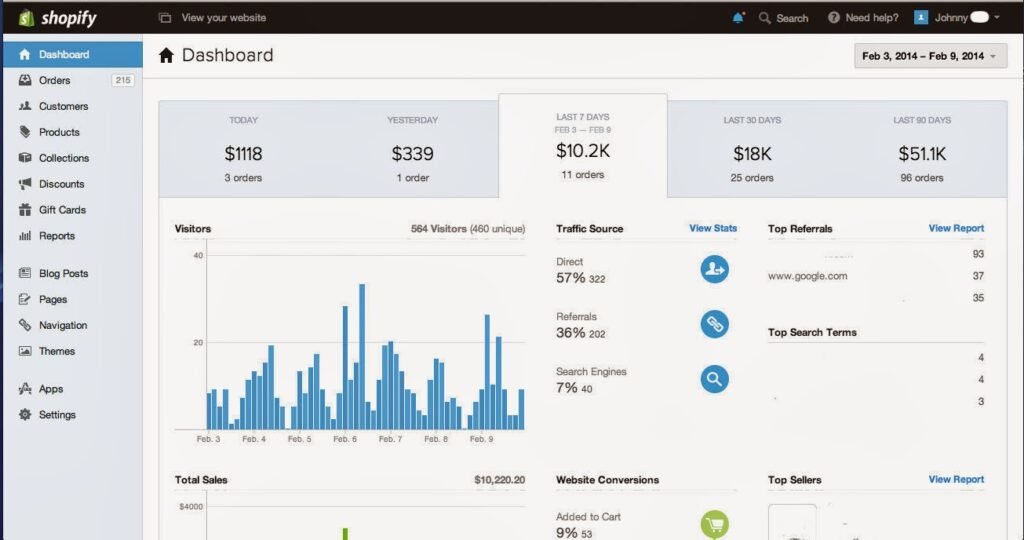
What Is Shopify? — Quick Overview
Shopify is a fully hosted eCommerce platform that allows you to build an online store without any technical skills.
Everything — hosting, updates, security, payments, and support — is handled for you.
Best for: beginners, small businesses, dropshipping stores, and brands that want a simple, reliable setup.
Strengths:
- Extremely easy to use
- Fast, secure hosting included
- Huge app marketplace
- Premium templates
- 24/7 support
What Is WooCommerce? — Quick Overview
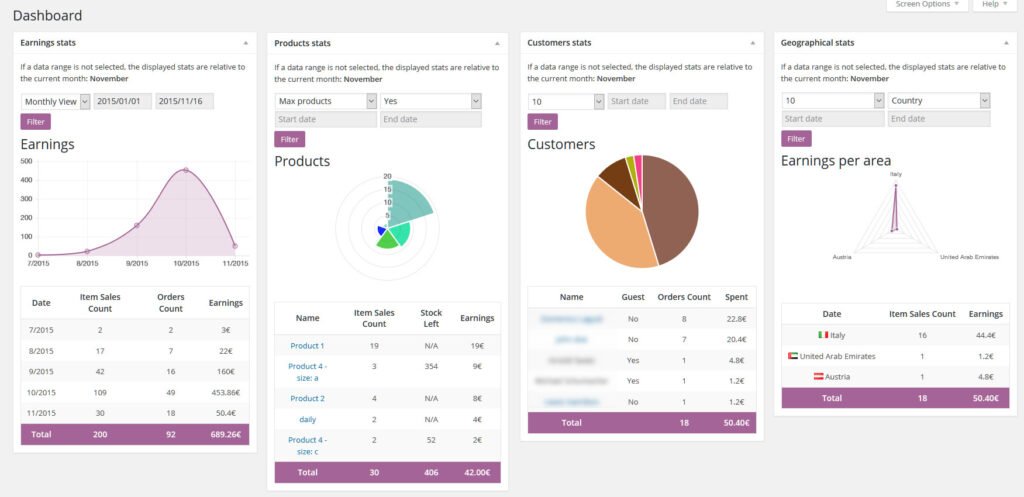
WooCommerce is an open-source eCommerce plugin for WordPress.
It gives you full control over design, functionality, SEO, and hosting — but it also requires more setup and maintenance.
Best for: advanced users, bloggers, content-focused websites, and businesses that want unlimited customization.
Strengths:
- 100% customizable
- Absolute control over SEO
- Works perfectly with WordPress
- Thousands of plugins and themes
- Lower startup cost
Shopify vs WooCommerce: Detailed Comparison (2025)
1️⃣ Ease of Use — Shopify Wins
Shopify is built for simplicity. You can create a store, add products, and launch in under an hour.
WooCommerce gives you more flexibility — but it requires installing WordPress, finding hosting, configuring plugins, and managing updates.
Winner: Shopify, especially for beginners.
2️⃣ Design & Themes
Both platforms offer beautiful templates, but Shopify’s themes are more polished and easier to customize.
WooCommerce themes vary in quality because they come from many developers — but advanced users can completely redesign the store using Elementor, custom CSS, or themes like Astra and GeneratePress.
Winner:
- Shopify for simplicity
- WooCommerce for full design freedom
3️⃣ eCommerce Features
Both tools include all essential features:
✔ Unlimited products
✔ Inventory tracking
✔ Variants
✔ Coupons and discounts
✔ Order management
✔ Abandoned cart recovery
However:
- Shopify has built-in abandoned cart recovery + multi-channel selling (Amazon, Facebook, TikTok).
- WooCommerce requires plugins for similar features.
Winner: Shopify, thanks to built-in eCommerce functionality.
4️⃣ SEO Performance
If SEO is your top priority, WooCommerce has the advantage.
Why?
Because it runs on WordPress — the world’s most SEO-friendly CMS.
With plugins like Rank Math or Yoast SEO, you have full control over:
- on-page optimization
- schema markup
- URL structure
- blog content strategy
- technical SEO
Shopify offers strong SEO but with limits (no full control over URL structure, sitemap, or robots.txt without workarounds).
Winner: WooCommerce (especially for content-heavy websites).
5️⃣ Payment Options
Both support 100+ payment gateways.
But:
Shopify charges extra fees (0.5–2%) if you don’t use Shopify Payments.
WooCommerce never charges extra fees — your only cost is the payment provider (Stripe/PayPal).
Winner: WooCommerce for cost savings.
6️⃣ Performance & Speed
Shopify stores are automatically optimized, secure, and hosted on fast global servers.
WooCommerce speed depends on:
- your hosting
- your theme
- your plugins
It can be faster — but only with good hosting like SiteGround or Kinsta.
Winner: Shopify — better performance without maintenance.
7️⃣ Security
Shopify includes:
- SSL
- PCI compliance
- Automatic updates
- Fraud detection
WooCommerce requires manual setup:
- buying SSL
- security plugins
- backups
- hosting configuration
Winner: Shopify, especially for non-technical users.
8️⃣ Pricing — WooCommerce Can Be Cheaper
Shopify:
€25–€344/month depending on your plan + possible transaction fees.
WooCommerce:
Free plugin, but you pay for:
- hosting (€5–€30/month)
- premium plugins
- domain
- security tools
WooCommerce can be cheaper, but costs vary.
Winner: WooCommerce for flexible, scalable pricing.
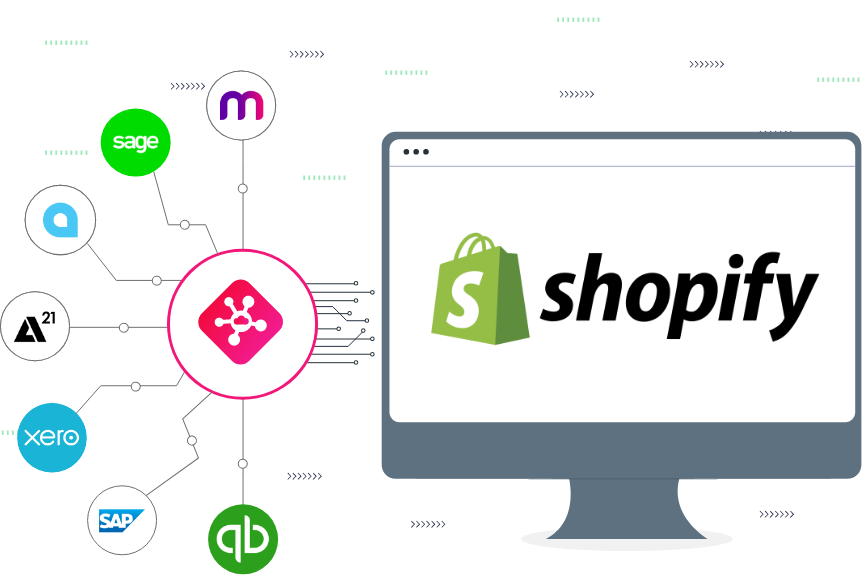
9️⃣ Apps & Integrations
Shopify has a massive app store with over 8,000+ apps.
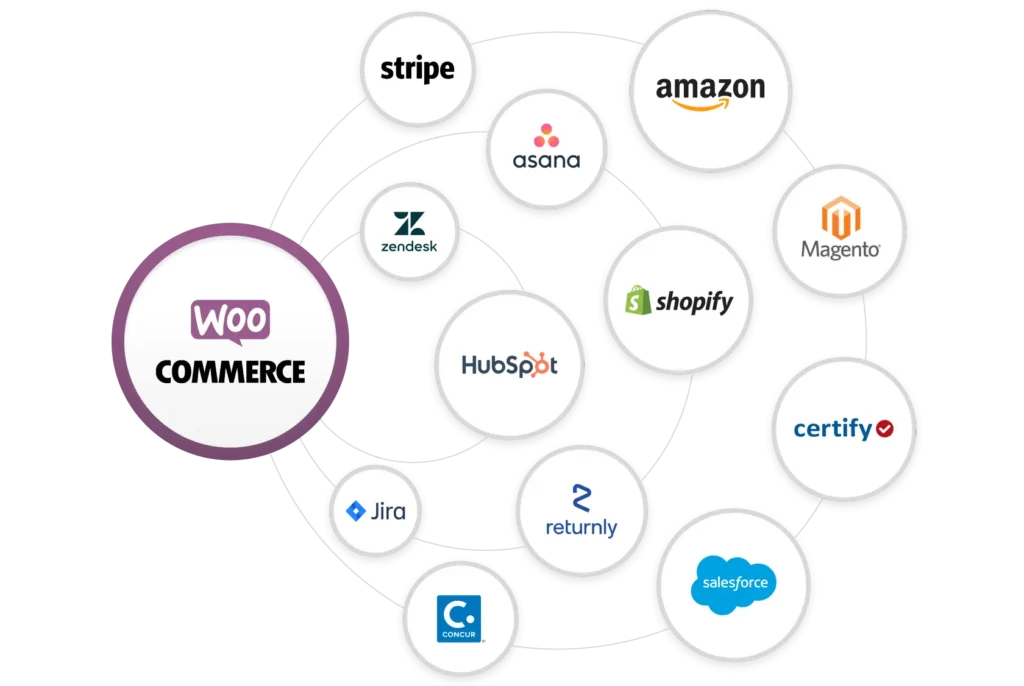
WooCommerce has thousands of WordPress plugins + WooCommerce extensions.
Both are excellent, but WooCommerce has more flexibility, while Shopify apps are easier to install.
Winner: Tie — depends on your preference.
Shopify vs WooCommerce: Pros & Cons
✔ Shopify Pros
- Very easy to use
- All-in-one system
- Fast hosting included
- 24/7 support
- Secure and stable
❌ Shopify Cons
- Higher cost
- Transaction fees
- Less SEO control
✔ WooCommerce Pros
- Fully customizable
- Best SEO options
- No platform fees
- Works with WordPress
- Unlimited flexibility
❌ WooCommerce Cons
- Requires hosting setup
- More maintenance
- Can get expensive with premium plugins
Final Verdict: Shopify vs WooCommerce — Which One Should You Choose in 2025?
Both platforms are excellent, but the right choice depends on your goals.
Choose Shopify if you want:
- the easiest way to launch a store
- fast hosting + security included
- a simple, stress-free setup
- reliable support
- a professional online store with minimal effort
Choose WooCommerce if you want:
- full control over SEO
- unlimited customization
- lower long-term costs
- a content-driven business
- the flexibility of WordPress
**Overall Winner (2025):
👉 Both — depending on your business needs.**
For beginners and dropshippers: Shopify
For bloggers, SEO-focused businesses, and power users: WooCommerce