Mailchimp vs MailerLite is one of the most common comparisons for businesses looking to choose the right email marketing software. Both platforms are popular, beginner-friendly, and packed with useful features — but they serve slightly different needs. In this detailed Mailchimp vs MailerLite comparison, we’ll break down ease of use, templates, automation, pricing, and more to help you decide which tool is the best fit for your business.
Table of Contents
Ease of Use & User Interface
When comparing mailchimp vs mailelite, one of the first things most businesses ask is: which platform is easier to use? The right email marketing software should simplify workflows, not add unnecessary complexity, which makes the interface and overall experience very important in any Mailchimp vs MailerLite review.
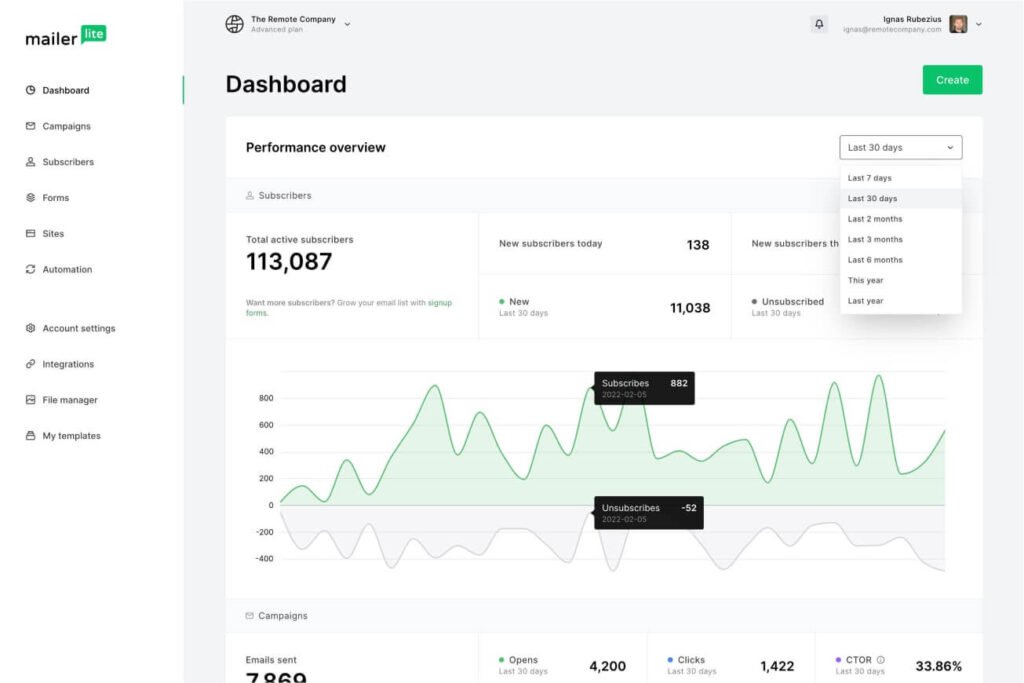
Mailchimp offers a polished interface with professional design, but it comes with a steeper learning curve. The dashboard is packed with tools like automation workflows, segmentation, and reporting. While this makes it powerful for larger teams, beginners may find navigating through its menus a little overwhelming. For example, setting up subscriber groups or exploring advanced list management features requires multiple steps.
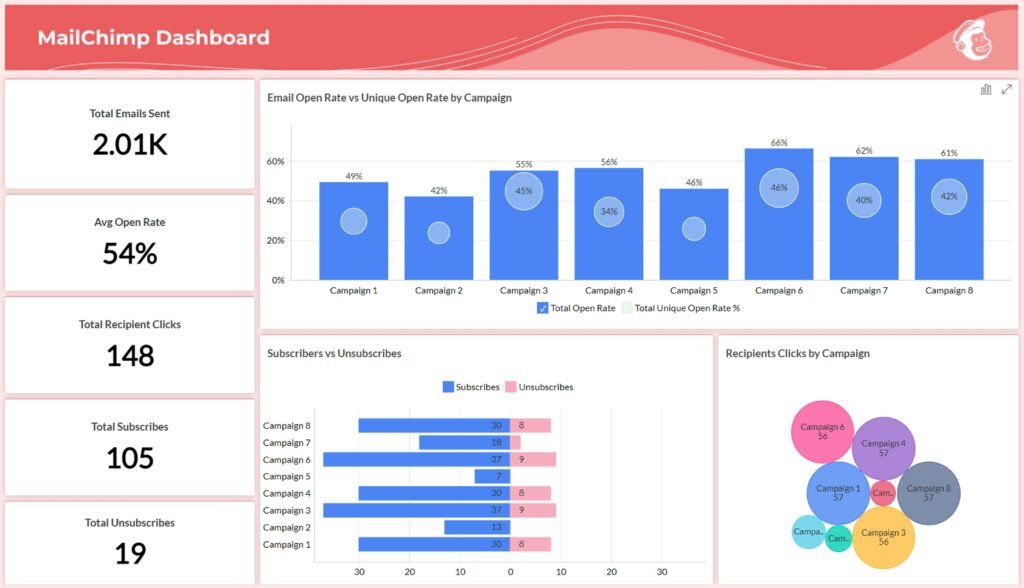
MailerLite, by contrast, emphasizes simplicity. Its dashboard is clean and highlights the essentials: campaigns, subscribers, and automation. The drag-and-drop editor is one of the easiest in the market, allowing even first-time users to design newsletters quickly. In this Mailchimp vs MailerLite comparison, many beginners find MailerLite less intimidating because it avoids clutter and focuses on the features most small businesses need.
👉 Bottom line: when it comes to mailchimp vs mailelite, Mailchimp is better suited for businesses that want depth and flexibility, while MailerLite wins for its user-friendly design and intuitive navigation.
Email Templates & Design Flexibility
Design flexibility is one of the biggest deciding factors in the mailchimp vs mailelite debate. Both tools allow users to build campaigns with drag-and-drop editors, but they differ in template variety and customization options.
Mailchimp has an extensive library of professional templates that cater to e-commerce, non-profits, and service providers. Each template is mobile-responsive and customizable, but some advanced content blocks and design options are locked behind paid plans. For businesses that want to start with polished designs, Mailchimp offers plenty of variety. However, the depth can sometimes feel overwhelming if you only need something simple.
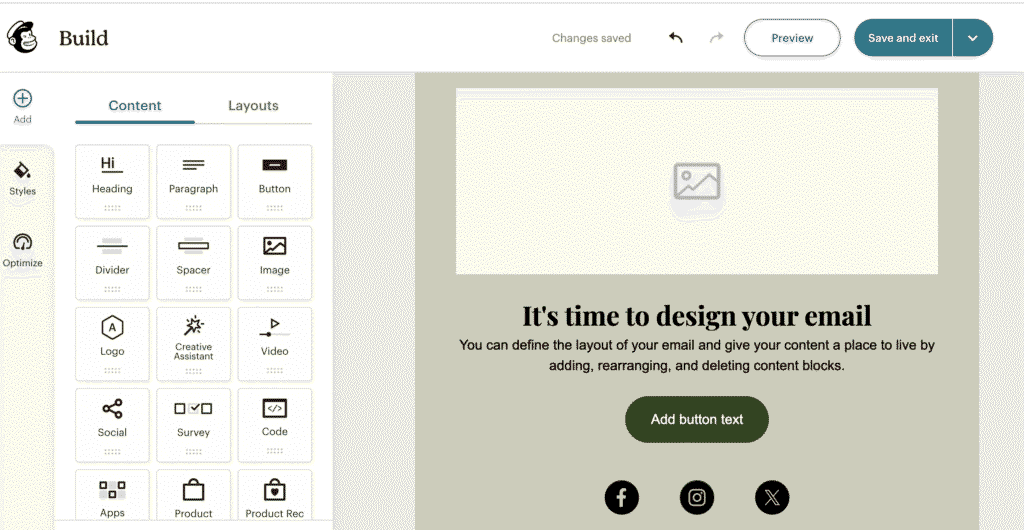
MailerLite, on the other hand, focuses on clean and modern layouts. While its template library is smaller, every design is easy to edit and optimized for readability. The editor is intuitive, and users can drag in text, images, buttons, and social icons without difficulty. For those who prefer more control, MailerLite also allows custom HTML designs. This makes it an excellent choice for creators and small businesses who want professional emails without overcomplicating the process.
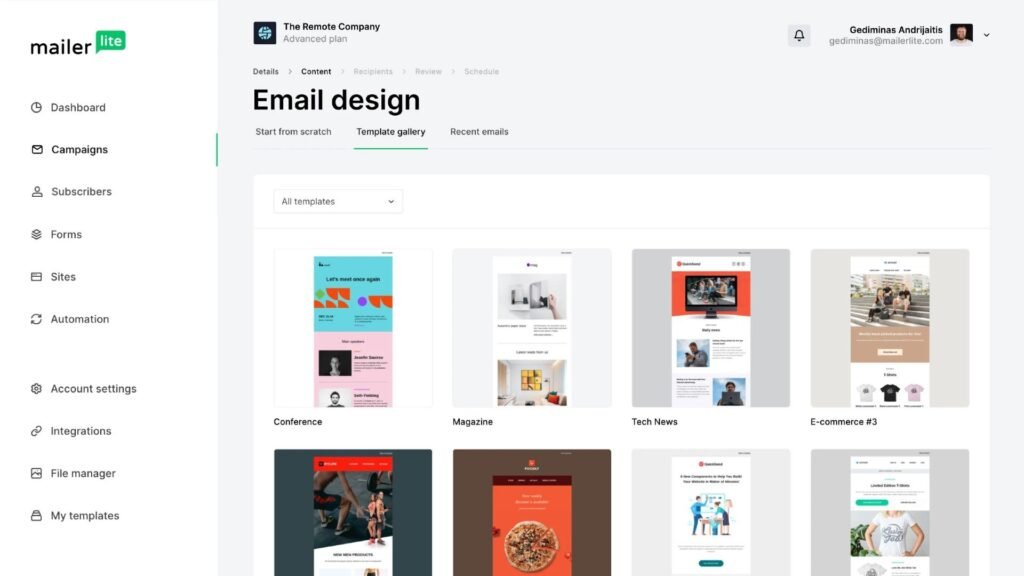
In this Mailchimp vs MailerLite comparison, the choice is clear: Mailchimp delivers volume and variety, while MailerLite delivers simplicity and speed. If you want advanced template options, Mailchimp is the winner. If you want a streamlined design process, MailerLite is the better fit.
👉 Final note: in the mailchimp vs mailelite debate on templates, Mailchimp provides more options, while MailerLite focuses on ease and efficiency.
<!– Insert Side-by-Side Comparison Image (Mailchimp vs MailerLite Templates) here –>
Automation & Workflows
Automation is a core part of any mailchimp vs mailelite review, since it determines how effectively you can engage subscribers without constant manual work.
Mailchimp stands out for its advanced workflows. It allows you to create multi-step customer journeys triggered by actions like sign-ups, purchases, or abandoned carts. E-commerce stores, in particular, benefit from Mailchimp’s ability to send targeted product recommendations and post-purchase follow-ups. You can build branching workflows that adapt based on customer behavior, giving you enterprise-level control over your campaigns. However, beginners may find Mailchimp’s automation builder more complex, and advanced automations are only available on higher-tier plans.
MailerLite keeps automation simple. Its visual builder makes it easy to set up welcome sequences, nurture campaigns, or re-engagement flows triggered by common actions like joining a group or clicking a link. While it doesn’t offer the same e-commerce depth as Mailchimp, it provides all the essential automation features that most small businesses and creators need. The interface is straightforward, making it an excellent option for those new to email automation.
When comparing Mailchimp vs MailerLite automation, the decision comes down to complexity versus simplicity. Mailchimp is better for advanced users and businesses that want highly detailed workflows. MailerLite is the smarter choice for those who want time-saving automation that’s easy to set up and maintain.
👉 In the mailchimp vs mailelite debate, Mailchimp is the powerhouse for advanced workflows, while MailerLite keeps automation simple and beginner-friendly.
List Management & Segmentation
Effective list management is one of the most important aspects in the mailchimp vs mailelite discussion. Clean lists and smart segmentation lead to better deliverability and higher engagement.
Mailchimp uses “Audiences” to organize subscribers. While this allows separation of different lists, it can lead to duplicate contacts across multiple audiences, which counts against your subscriber limit. On the positive side, Mailchimp offers advanced segmentation. You can filter subscribers by purchase history, engagement, or demographics, making it possible to run highly targeted campaigns. This flexibility is powerful but requires careful setup to avoid redundancy.
MailerLite takes a simpler approach. Instead of multiple audiences, it uses a single subscriber database that you can organize with groups and segments. Groups act like tags, while segments can be built dynamically based on subscriber behavior. This prevents duplicates and keeps your list clean. Small businesses often prefer this system because it’s intuitive and avoids unnecessary complexity.
In a Mailchimp vs MailerLite comparison, Mailchimp is the winner for advanced segmentation, while MailerLite wins for ease of management and preventing duplicate contacts.
👉 Final takeaway: in the mailchimp vs mailelite debate, Mailchimp offers depth in segmentation, but MailerLite provides simplicity in maintaining a healthy subscriber database.
Integrations & Third-Party Apps
For many businesses, integrations are the deciding factor in the mailchimp vs mailelite comparison. Connecting email marketing software with e-commerce platforms, CRMs, and other tools is essential for smooth workflows.
Mailchimp is known for its extensive integration library. It connects with Shopify, WooCommerce, Magento, Salesforce, HubSpot, PayPal, and more. This wide compatibility makes Mailchimp especially attractive for medium to large businesses that already use multiple apps. However, many advanced integrations require paid plans, which can increase overall costs.

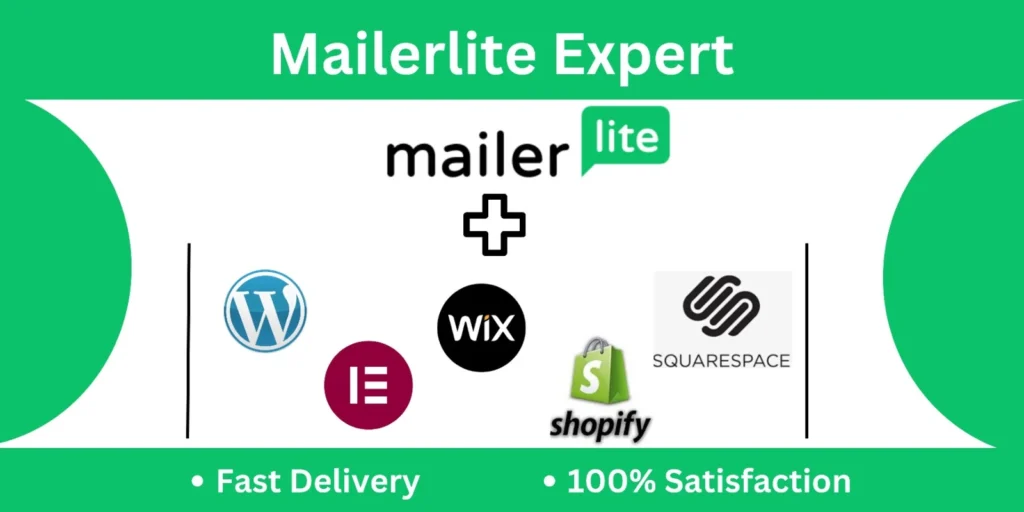
MailerLite offers fewer native integrations but covers the essentials. It connects seamlessly with WordPress, Shopify, and WooCommerce. Plus, it integrates with Zapier, giving access to hundreds of additional apps. While the integration library is smaller than Mailchimp’s, it is easier to navigate and set up, making it a strong option for smaller businesses.
In this Mailchimp vs MailerLite review, Mailchimp clearly leads in quantity of integrations, while MailerLite focuses on quality and simplicity.
👉 To sum up: in the mailchimp vs mailelite debate, Mailchimp is best for integration-heavy businesses, while MailerLite works well for those who only need core connections.
Deliverability & Performance
No Mailchimp vs MailerLite comparison would be complete without evaluating deliverability. After all, even the best-designed campaigns are useless if they land in spam folders.
Mailchimp has built strong deliverability standards through authentication protocols like DKIM and SPF. It also monitors spam complaints and provides compliance tools that help businesses maintain a good sender reputation. Mailchimp’s performance is particularly reliable for high-volume senders and large e-commerce stores.
MailerLite also performs well, often matching Mailchimp in independent deliverability tests. It emphasizes list hygiene and makes it easy to remove inactive subscribers. Its simpler setup means beginners can maintain strong deliverability without complex configurations. This makes it a great choice for small businesses that want consistent inbox placement without needing advanced technical management.
In this Mailchimp vs MailerLite comparison, both tools deliver strong results. Mailchimp offers enterprise-level compliance, while MailerLite makes deliverability simple for smaller teams.
👉 Bottom line: in the mailchimp vs mailelite debate, both platforms are strong performers. Mailchimp is ideal for high-volume senders, while MailerLite is a solid choice for smaller businesses.
Analytics & Reporting
Analytics is another critical factor in the mailchimp vs mailelite review. Without good reporting, it’s difficult to measure campaign success.
Mailchimp provides advanced analytics, including open rates, click-through rates, revenue tracking, and even customer lifetime value. It also offers multivariate testing, which allows businesses to compare multiple variations of campaigns. These features are powerful, but they can overwhelm beginners and are often only available in paid tiers.

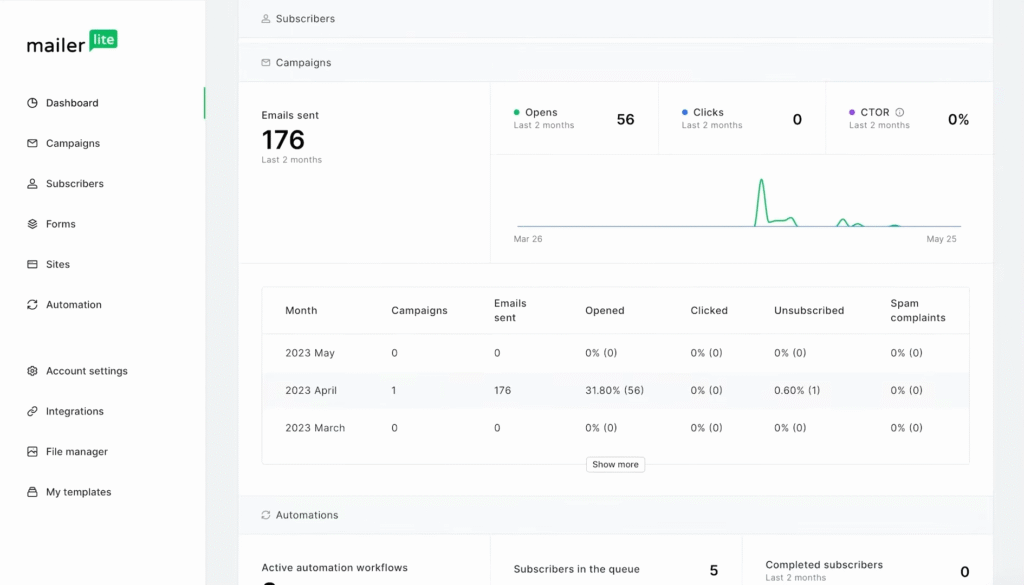
MailerLite keeps reporting simple. It offers the essential metrics: opens, clicks, unsubscribes, bounces, and geolocation data. A/B testing is available but limited compared to Mailchimp. The simplicity of MailerLite’s reporting makes it appealing to small businesses that want quick insights without digging into complex dashboards.
In this Mailchimp vs MailerLite comparison, Mailchimp clearly wins for advanced analytics, while MailerLite shines for ease of use.
👉 Conclusion: in the mailchimp vs mailelite debate, Mailchimp dominates in detailed reporting, while MailerLite provides straightforward insights for small teams.
Pricing & Plans
Pricing is often the deciding factor in the mailchimp vs mailelite decision. Both platforms offer free plans, but the details differ significantly.
Mailchimp offers a free plan for up to 500 contacts and 1,000 email sends. Paid plans start at a relatively low cost, but prices increase quickly as your list grows. Features like advanced automation, detailed reporting, and multivariate testing are locked behind higher tiers. For large businesses, the cost may be worth it, but smaller businesses may feel restricted by pricing.
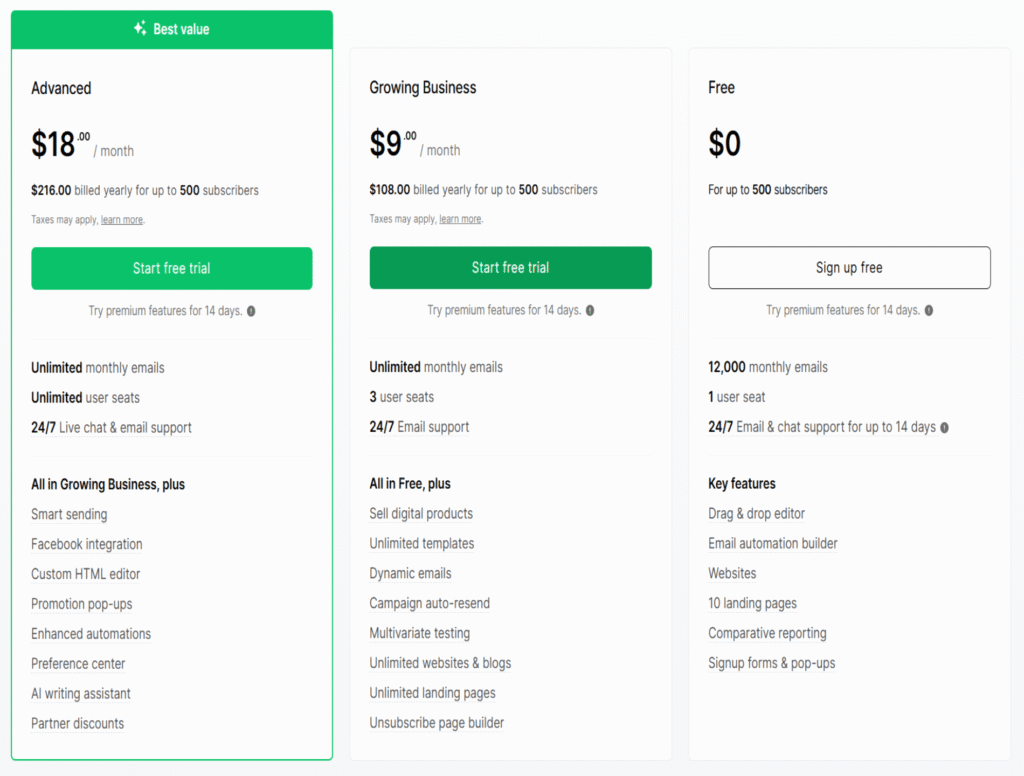
MailerLite is known for affordability. Its free plan covers up to 1,000 subscribers and 12,000 monthly email sends, which is generous compared to Mailchimp. Paid plans remain affordable even as lists grow, making it a popular choice among small businesses and startups. Importantly, MailerLite includes core features like automation and landing pages even on the free plan.
In this Mailchimp vs MailerLite comparison, Mailchimp targets larger businesses with higher budgets, while MailerLite caters to small businesses and individuals seeking value.

👉 Bottom line: in the mailchimp vs mailelite debate, Mailchimp is powerful but costly, while MailerLite is budget-friendly and feature-rich.
Customer Support & Resources
Support is often overlooked in the mailchimp vs mailelite debate, but it can make a big difference in user experience.
Mailchimp provides limited support on its free plan. Paid plans unlock 24/7 chat and email support, with phone support reserved for Premium users. Its knowledge base, webinars, and community forums are extensive, making it a strong option for self-learners. However, free users may feel unsupported after the initial trial period.
MailerLite offers 24/7 email support even on its free plan, and live chat support with paid plans. Its knowledge base and video tutorials are smaller than Mailchimp’s but easier to navigate. Many beginners prefer MailerLite’s straightforward help resources and accessibility.
In this Mailchimp vs MailerLite comparison, Mailchimp offers a larger library of resources, but MailerLite provides more accessible direct support.
👉 Final note: in the mailchimp vs mailelite debate, Mailchimp supports enterprise-level needs, while MailerLite focuses on making help available for small businesses.
Best Use Cases (Who Should Use Which?)
When reviewing mailchimp vs mailelite, the ultimate question is: who should use which tool?
Mailchimp is best for medium to large businesses, especially e-commerce stores that need advanced workflows, analytics, and integrations. Its features justify the cost for companies that prioritize growth and scalability.
MailerLite is ideal for small businesses, freelancers, and creators who want simplicity and affordability. It’s perfect for those who need essential tools without paying for advanced enterprise features.
In this Mailchimp vs MailerLite comparison, your choice depends on whether you value advanced features or simplicity.
👉 To summarize: in the mailchimp vs mailelite debate, Mailchimp serves enterprises and complex businesses, while MailerLite supports small businesses and beginners.
Conclusion: Mailchimp vs MailerLite – Final Verdict
After exploring all the major features, the mailchimp vs mailelite decision comes down to your business size, budget, and goals.
Mailchimp is the powerhouse with advanced automation, analytics, and integrations. It is perfect for enterprises and large e-commerce operations but comes with higher costs and complexity.
MailerLite delivers simplicity, affordability, and all the essentials in a clean package. It’s the smarter option for small businesses, freelancers, and startups that need reliable email marketing without the steep learning curve.
👉 Final takeaway: in the mailchimp vs mailelite debate, there is no single winner. Mailchimp wins on power and scalability, while MailerLite wins on value and ease of use. Choose the one that fits your stage of business and long-term goals.